



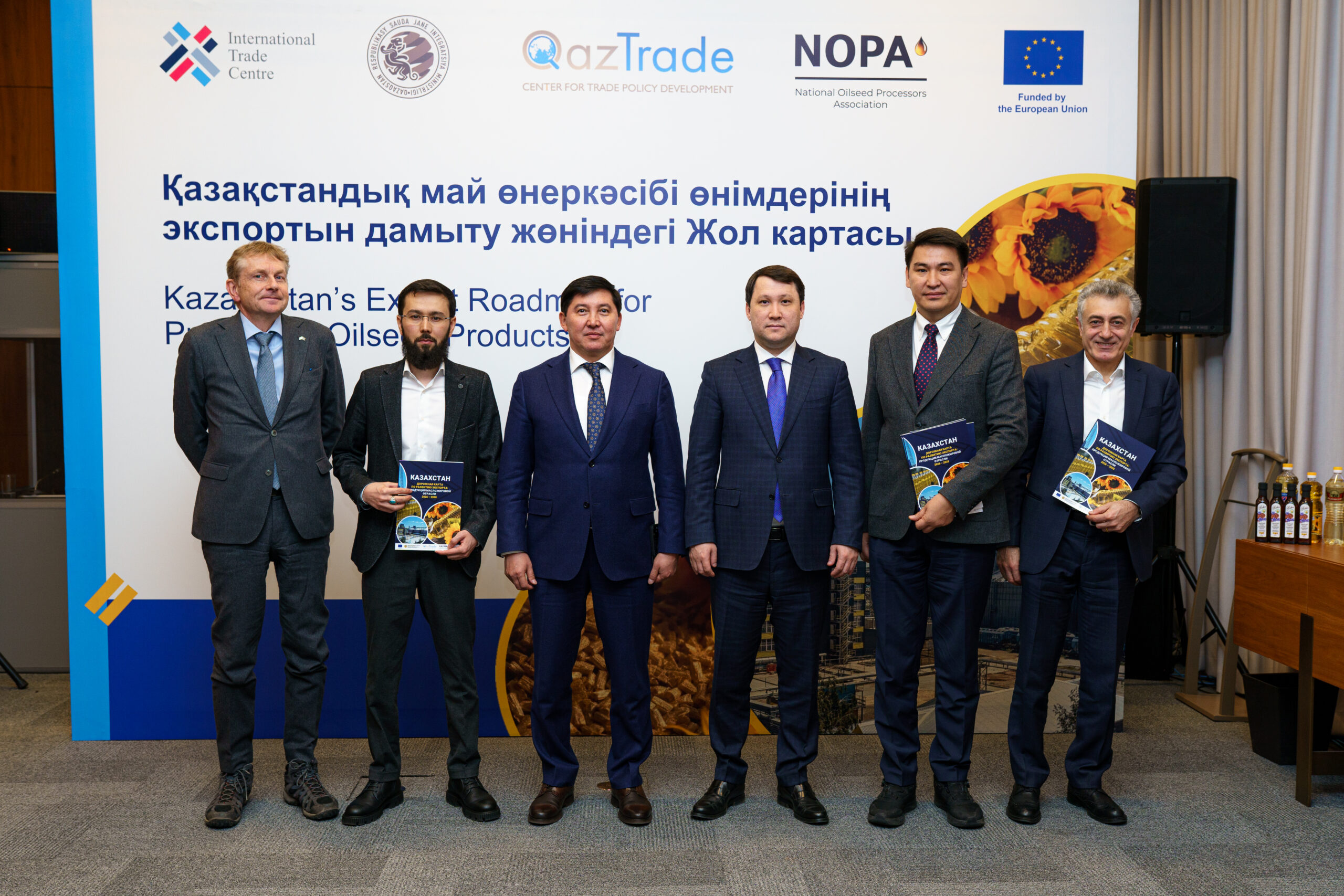
In Astana, the Roadmap for the Development of Exports of Oil and Fat Products for 2026–2028 was presented. The new document aims to address the main imbalance in the sector. Global demand for Kazakh oil and meal exceeds current production volumes by more than 30 times, while processing plants are operating at only 35% capacity.
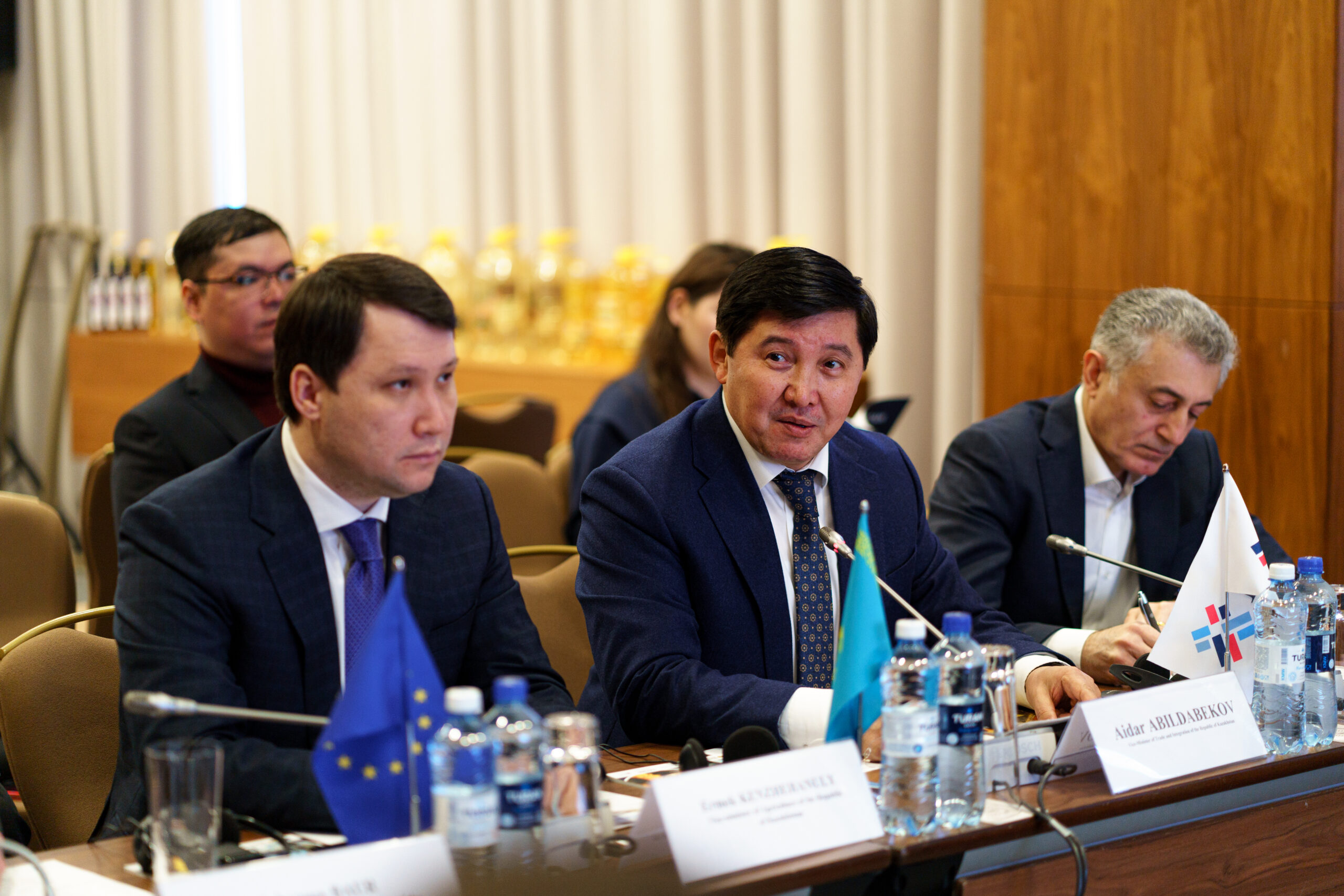
According to the developers, this gap creates a window of opportunity for Kazakhstan. The Roadmap outlines measures to expand the raw material base, modernize plants, develop logistics, and support farmers. The main goal is to increase sector exports to USD 1 billion by 2028 and raise the share of high value-added products.
Johannes Bauer, Head of Cooperation at the EU Delegation to Kazakhstan, noted that Kazakhstan has the potential to strengthen its position in the global market:
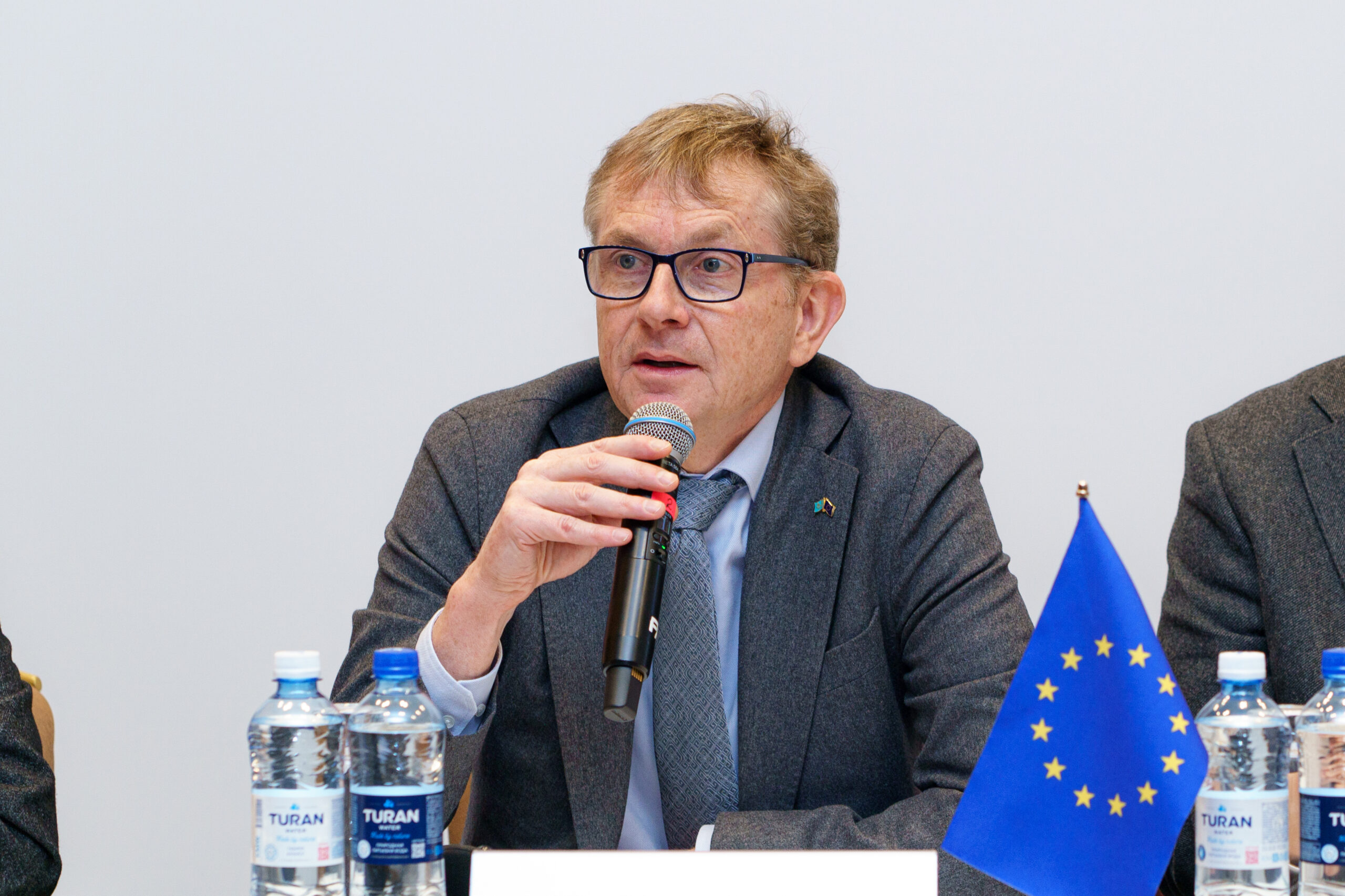
“The global oil market is undergoing a structural shift. Europe needs reliable partners capable of supplying high-quality processed products. Kazakhstan has every opportunity to strengthen its position in this value chain. The Roadmap represents a transition from raw material exports to competitive processing. We support this process because it opens new opportunities both for Kazakhstan and for European markets,” he said.
Today, Kazakhstan already ranks among the world’s TOP 10 exporters of sunflower oil and TOP 3 suppliers of sunflower meal to the European Union. Products are supplied to more than 20 countries, with China, Central Asia, and the Gulf states remaining promising destinations. With further development of processing, export potential could exceed USD 2 billion.
Deputy CEO of QazTrade Nurlan Kulbatyrov emphasized that the industry is ready for accelerated growth:
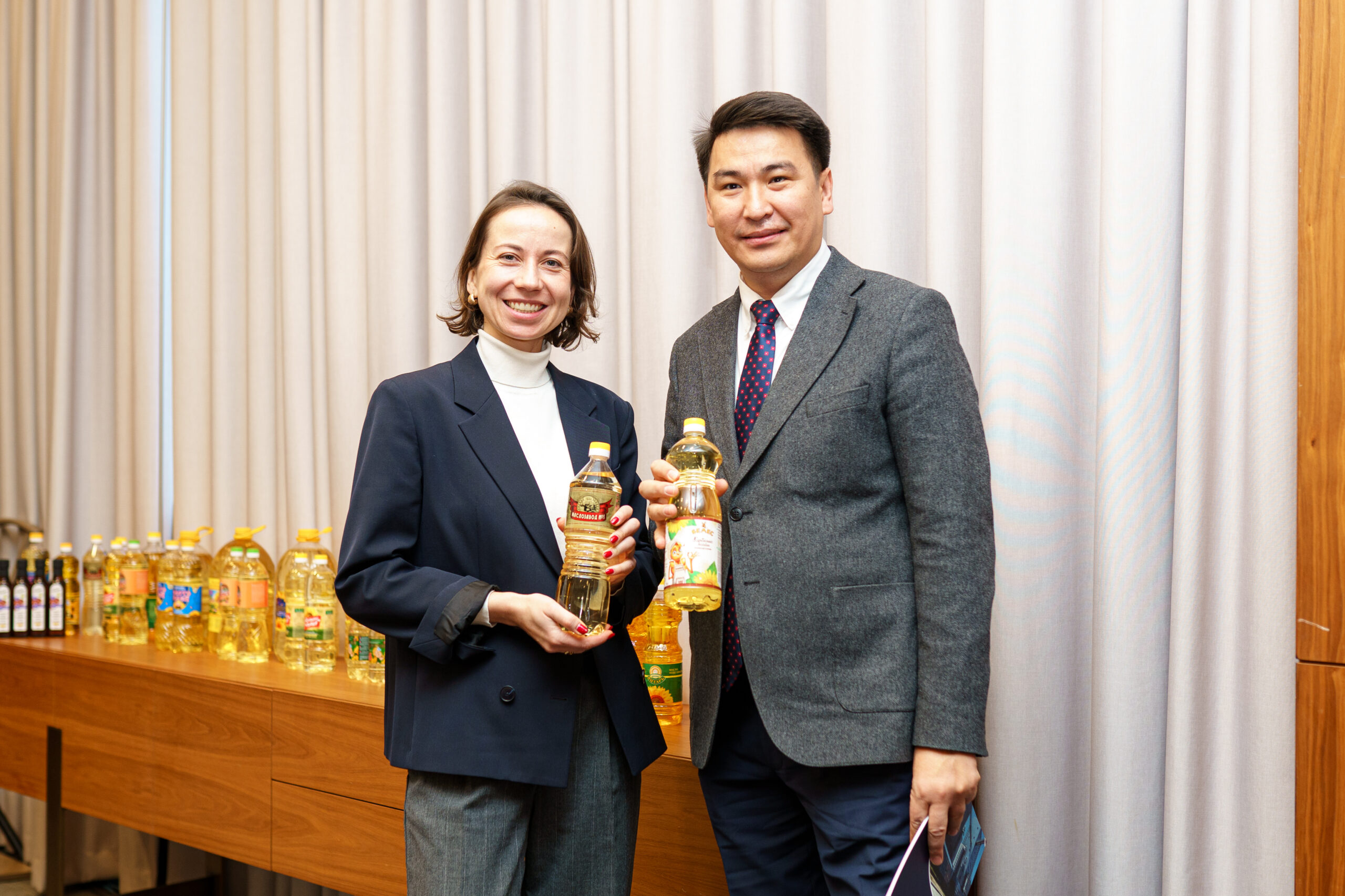
“Demand for Kazakh oil significantly exceeds our current volumes. Over the past ten years, oil exports have grown almost tenfold, and the potential is far from exhausted. Our task is to help enterprises increase processing, operate more efficiently in raw material markets, and actively expand exports. With full capacity utilization, Kazakhstan can become one of the global leaders in vegetable oils,” he noted.
Chairman of the National Association of Oilseed Processors Yadykar Ibragimov believes that the key to growth lies in synchronizing the entire production chain:
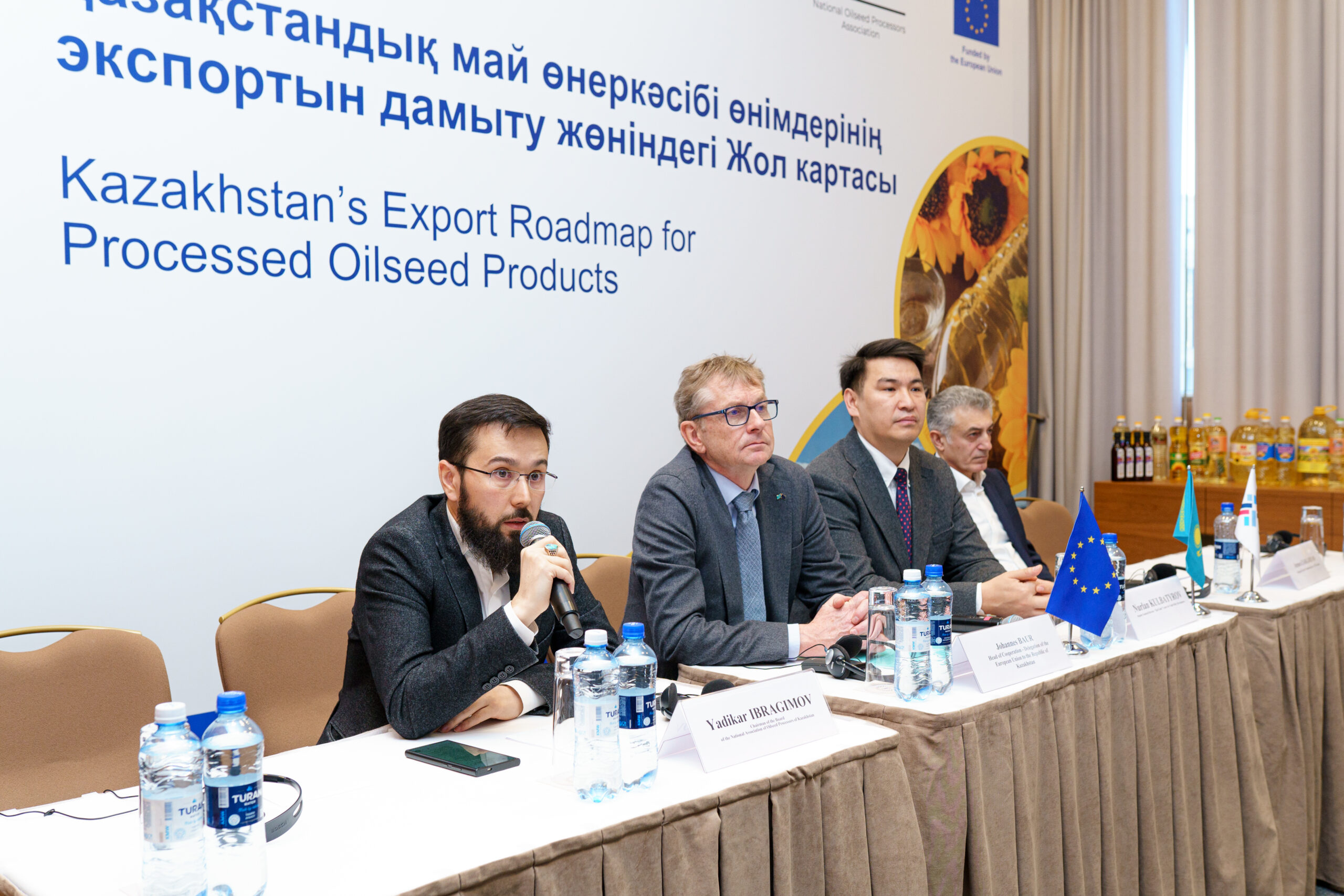
“Today, demand is growing faster than production. Plants are underutilized, while markets are waiting for our products. For sustainable development, efforts of farmers, seed producers, processors, and logistics providers must be aligned. The Roadmap is the first document to establish such a system. By ensuring stable raw material supply and removing infrastructure constraints, Kazakhstan will export not raw materials, but finished products with high added value,” he said.
The Roadmap was developed by the Ministry of Trade and Integration of Kazakhstan, QazTrade, NAPOC, and the International Trade Centre with the support of the European Union. Following the presentation, it was decided to establish a public-private platform to serve as a permanent mechanism for coordination and monitoring of the Roadmap’s implementation.
Overall, the document forms a long-term foundation for growth: increasing exports to USD 1 billion by 2028, raising plant utilization, strengthening the raw material base, and expanding the geography of supplies. For the industry, this represents an opportunity to move from sporadic growth to sustainable expansion and consolidation in global markets.