



JSC “QazTrade,” together with the Ministry of Trade and Integration of the Republic of Kazakhstan and the International Trade Centre, held a webinar on the topic “The EU Carbon Border Adjustment Mechanism (CBAM): Compliance Requirements and Trade Implications for Kazakhstan’s Aluminum Industry and Priority Sectors.” The event was organized within the framework of the EU-funded Ready4Trade Central Asia project.
According to the European Commission (2024), six categories of Kazakhstani exports to the EU have been identified as potentially most sensitive to the CBAM mechanism:
Fuels and mineral products. In 2024, imports amounted to €31.8 billion, accounting for more than 95% of total deliveries. Growth compared to the previous year reached 11.6%. Kazakhstan remains an important energy supplier, and this category is the most vulnerable to EU climate policies.
Non-ferrous metals, including aluminum. Deliveries reached €410 million (1.2% of imports) but decreased by almost 40%. Aluminum is among the most exposed categories and is already sensitive to CBAM requirements.
Iron and steel. Exports to the EU amounted to €204 million (0.6% of imports) in 2024, down 27.1%. This sector falls directly under CBAM regulation and will be among the first to feel the impact of the new rules.
Chemical products. Imports reached €667 million (2% of total volume), with growth of 26.5%. While the sector shows positive dynamics, it may also fall within the CBAM scope.
Other semi-finished products. In 2024, deliveries totaled €95 million (0.3% of imports), but volumes fell by 38.5%, highlighting the segment’s sensitivity to changes in trade rules.
Machinery and transport equipment. Imports reached €60 million (0.2% of imports), with a decline of 11.5%. Despite its small share, the sector may face indirect CBAM impacts due to its carbon intensity.
Opening the webinar, QazTrade Deputy CEO Nurlan Kulbatyrov emphasized that adapting to CBAM requirements is an urgent task. He noted that the new rules could serve as an incentive for production modernization and strengthen Kazakhstan’s position as a reliable supplier to the European market.
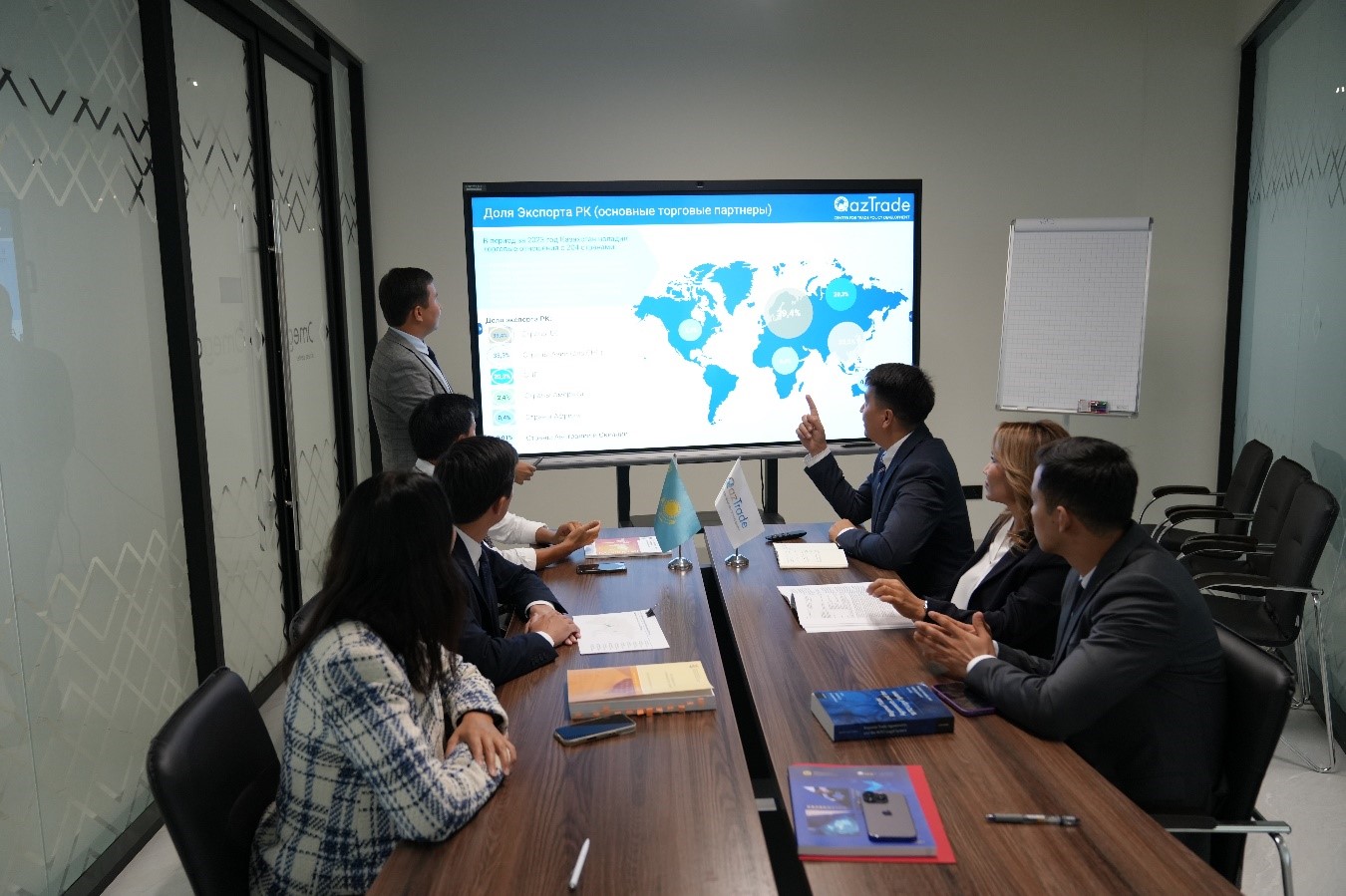
The European Union remains Kazakhstan’s largest trading partner. In 2024, it accounted for 37% of the country’s total exports. Particularly sensitive to CBAM are the aluminum, fertilizer, and iron industries. In 2024, aluminum exports reached $662 million, of which more than $225 million went to EU markets, confirming the EU’s role as a strategic destination for Kazakhstani exports.
Seventeen percent of fertilizers, worth around $40 million, are exported to EU countries, further highlighting the importance of the EU market. Only 6.2% of Kazakhstan’s iron exports are shipped to the EU.
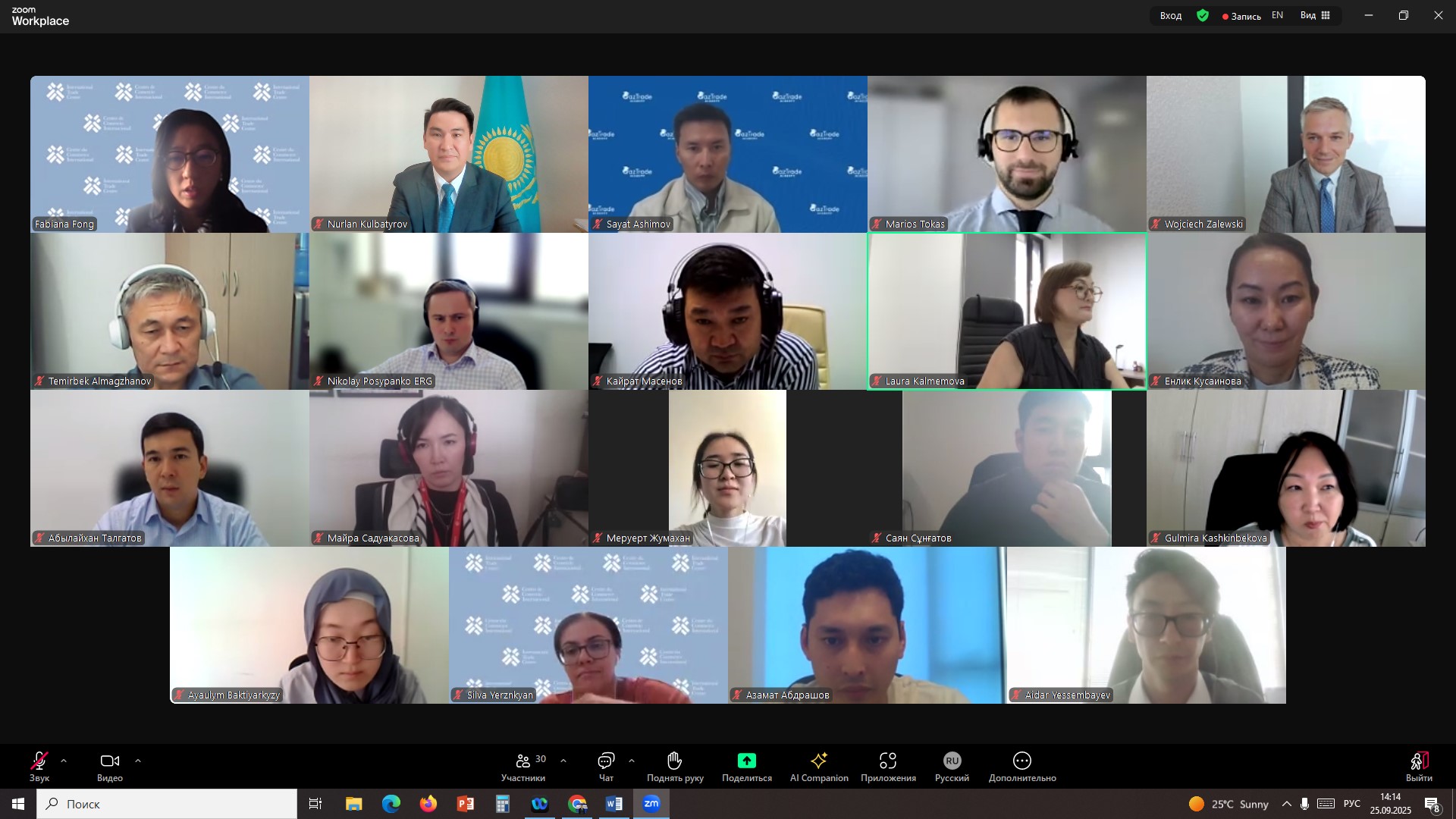
For her part, International Trade Centre representative Fabiana Fong provided an overview of EU trade and climate policy, explaining how CBAM is integrated into the regulatory framework.
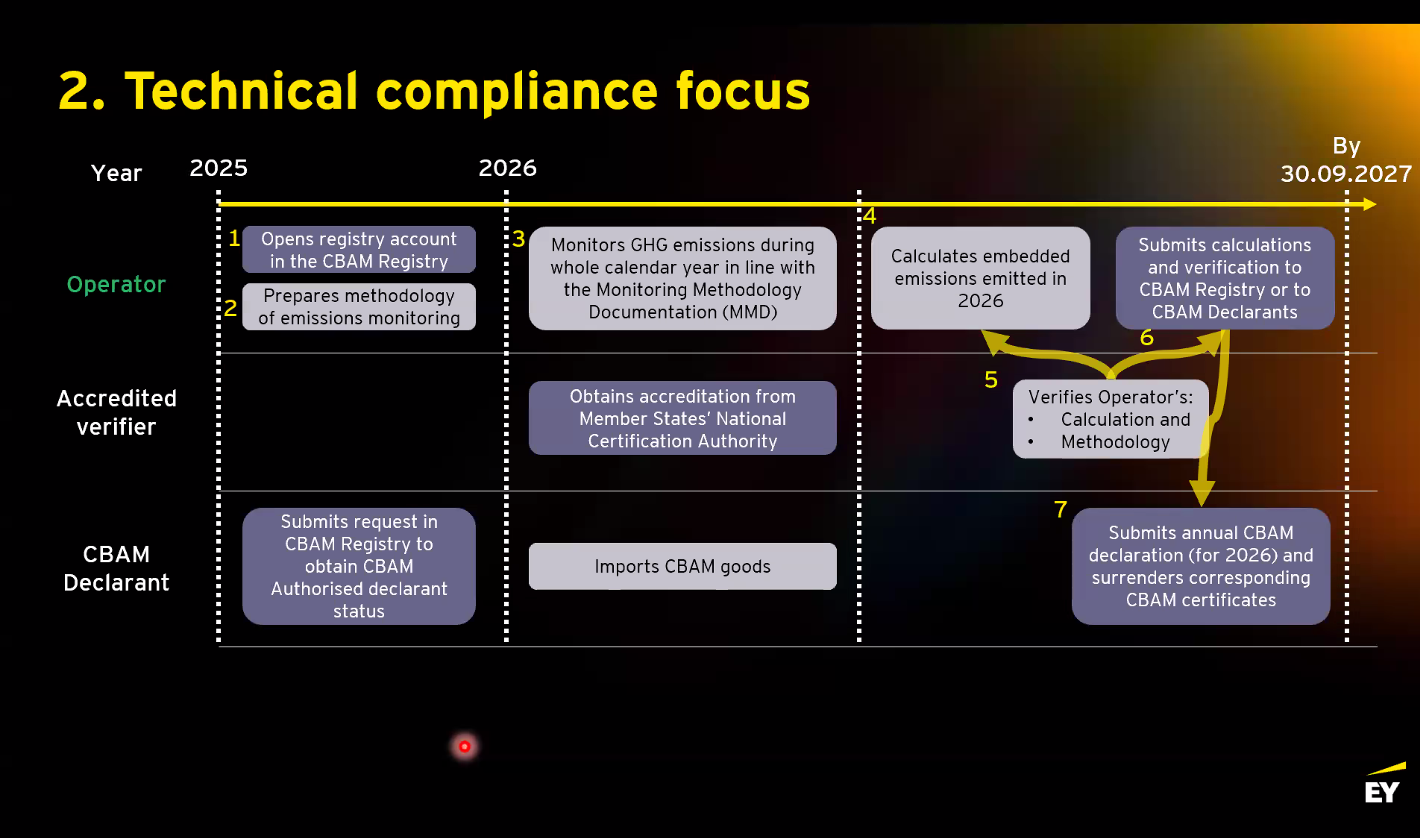
A key value of the webinar was its practical sessions, where participants received concrete guidance on the steps exporters need to take to operate under the new mechanism. This made the event particularly significant for industrial companies that will soon directly face CBAM requirements.
Wojciech Zalevski, Senior Manager at EY Consulting, delivered practical guidance on CBAM compliance in the aluminum and steel industries, focusing on emissions accounting and reporting, data verification, and interaction procedures between exporters and importers.
The discussions during the sessions sparked lively interest, with company representatives asking practical questions on emissions monitoring, CBAM Registry registration, reporting procedures, and the purchase of carbon certificates. This underlined the high relevance of the topic and the need for further business preparedness.
Professor Juste Pauylen of the Geneva Institute of International Relations noted that CBAM could serve as a catalyst for developing Kazakhstan’s own green standards. Marios Tokas, a researcher at the University of Copenhagen, discussed the linkages between CBAM and other EU environmental initiatives, emphasizing the importance of aligning regulatory approaches.
Leading Kazakhstani industrial companies, including JSC Qarmet and Eurasian Resources Group (ERG), actively participated in the webinar. From the government side, key institutions shaping climate and industrial policy were represented: the Ministry of Ecology and Natural Resources, the Ministry of Industry and Construction, and the State Revenue Committee of the Ministry of Finance.
It should be recalled that earlier, QazTrade, in collaboration with the OECD, developed Guidelines for Kazakhstan’s industrial exporters in hard-to-decarbonize sectors. The document provides recommendations for government and business on CBAM adaptation, the introduction of low-carbon technologies, and reducing production energy intensity. It also includes examples of international best practices to support companies during the transition period.