



Kazakhstan is preparing to expand fruit and vegetable exports by introducing international quality standards. A seminar was held in Shymkent with the participation of OECD experts on the topic “OECD Scheme for Fruits and Vegetables that Facilitates Export Promotion.” The event was organized by the Organisation for Economic Co-operation and Development (OECD), the Ministry of Trade and Integration of Kazakhstan, QazTrade, the Department of Agriculture and Veterinary Services of Shymkent, and the Department of Agriculture of Turkistan Region.
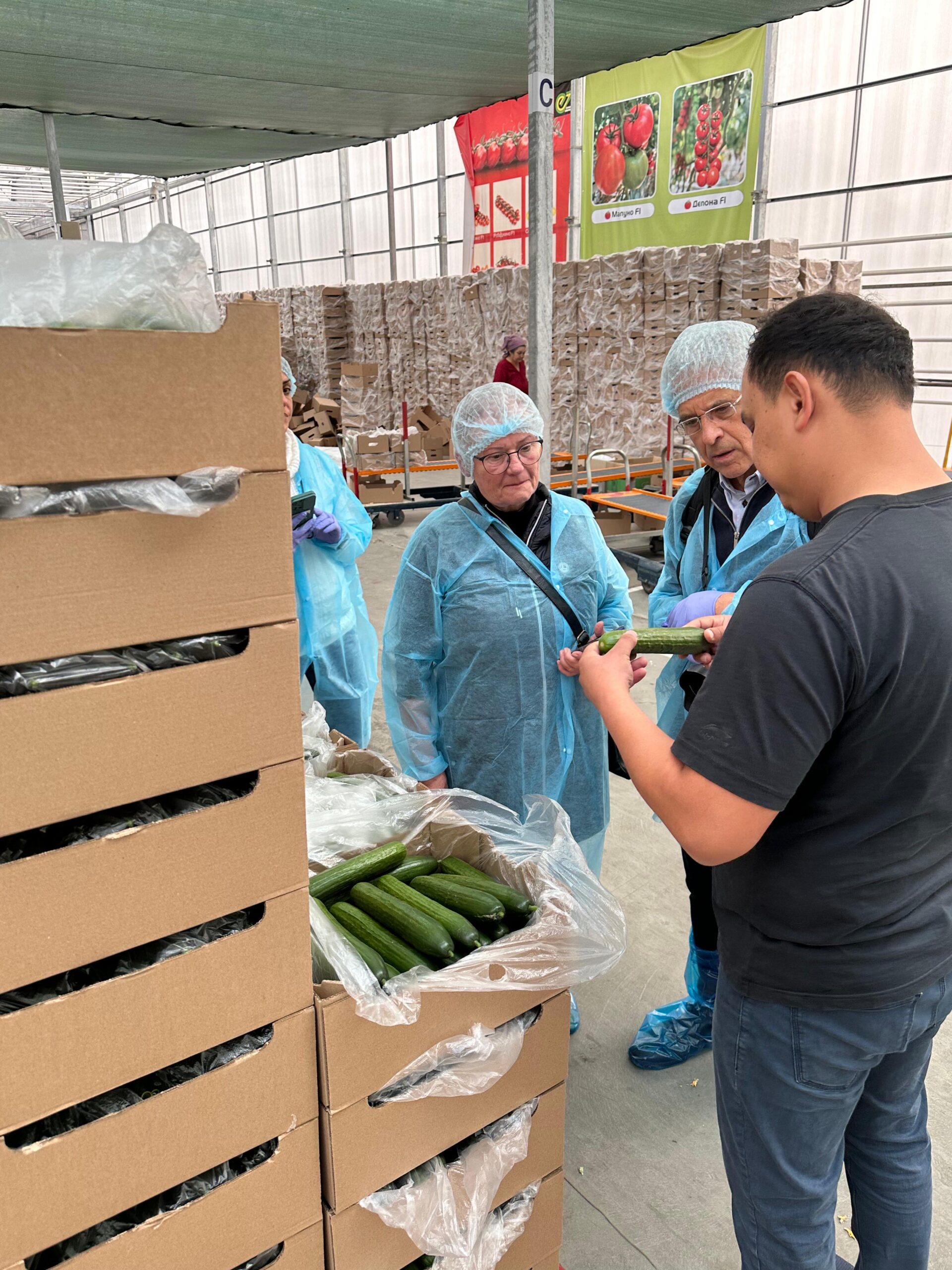
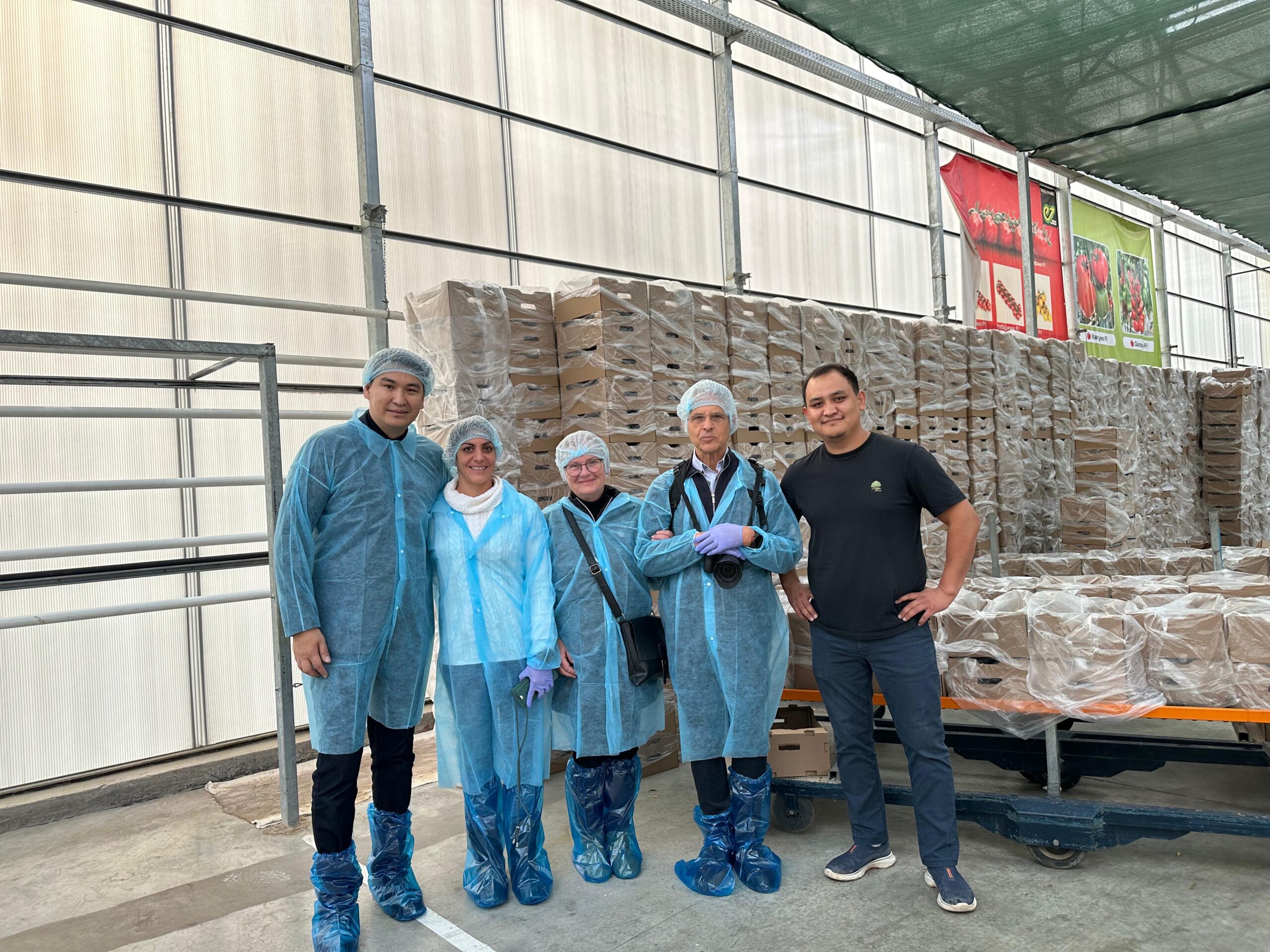
During the seminar, participants visited greenhouses in the Sairam district of Turkistan Region, where they exchanged experience in cultivation, sorting, quality control, maturity assessment, storage, labeling, and preparation of products for export.
International experts presented global standards for vegetables, demonstrated quality assessment methods, and shared inspection examples with 50 business representatives.
OECD experts reviewed quality standards using melons as an example. According to QazTrade, in 2024 Kazakhstan exported 29.6 thousand tons of melons worth USD 7.3 million — mainly to Russia (60%) and Belarus (32%). These figures demonstrate that Kazakhstani products are competitive in both price and quality, and that production volumes are already of interest to foreign markets. However, export geography remains limited and dependence on a narrow group of buyers is still high.
“If Kazakhstan begins implementing the OECD Scheme for Fruits and Vegetables, it will open new opportunities for entering international markets. This concerns not only neighboring countries but also Europe and the Middle East, where buyers expect transparent standards for quality, packaging, and labeling. This is especially important for greenhouse farms in the south of the country, which account for the majority of tomato and vegetable production. Moreover, it will allow products to be sold not as raw materials, but as high-quality branded goods at higher prices. In fact, large farms already comply with many of these requirements, but now they will be officially recognized,” said QazTrade Deputy CEO Nurlan Kulbatyrov.
According to experts, Kazakhstan has the potential not only to increase export volumes and value but also to reduce dependence on a limited number of buyers by systematically introducing international quality and safety standards.