



In Astana, the Second National Report of the Republic of Kazakhstan on Trade Facilitation was presented, prepared by the Ministry of Trade and Integration of the Republic of Kazakhstan together with QazTrade.
The report reflects the country’s progress in digitalizing foreign economic activity, transitioning to paperless trade, and improving the efficiency of procedures along the Middle Transit Corridor.
Deputy Minister of Trade and Integration Zhanel Kushukova delivered the welcoming speech, noting that according to UN data, Kazakhstan improved its overall Trade Facilitation Index to 76.34% in 2025 (70.97% in 2021, 36.56% in 2015). She emphasized that simplifying trade procedures creates a transparent and trustworthy environment for participants of foreign economic activity.
Aleska Simkic, EU Ambassador to Kazakhstan, highlighted the country’s regional leadership and the importance of its geographical position for the development of the Middle Corridor. She stressed that the reforms in trade facilitation open new opportunities for cooperation with the European Union, which will continue supporting Kazakhstan’s initiatives.
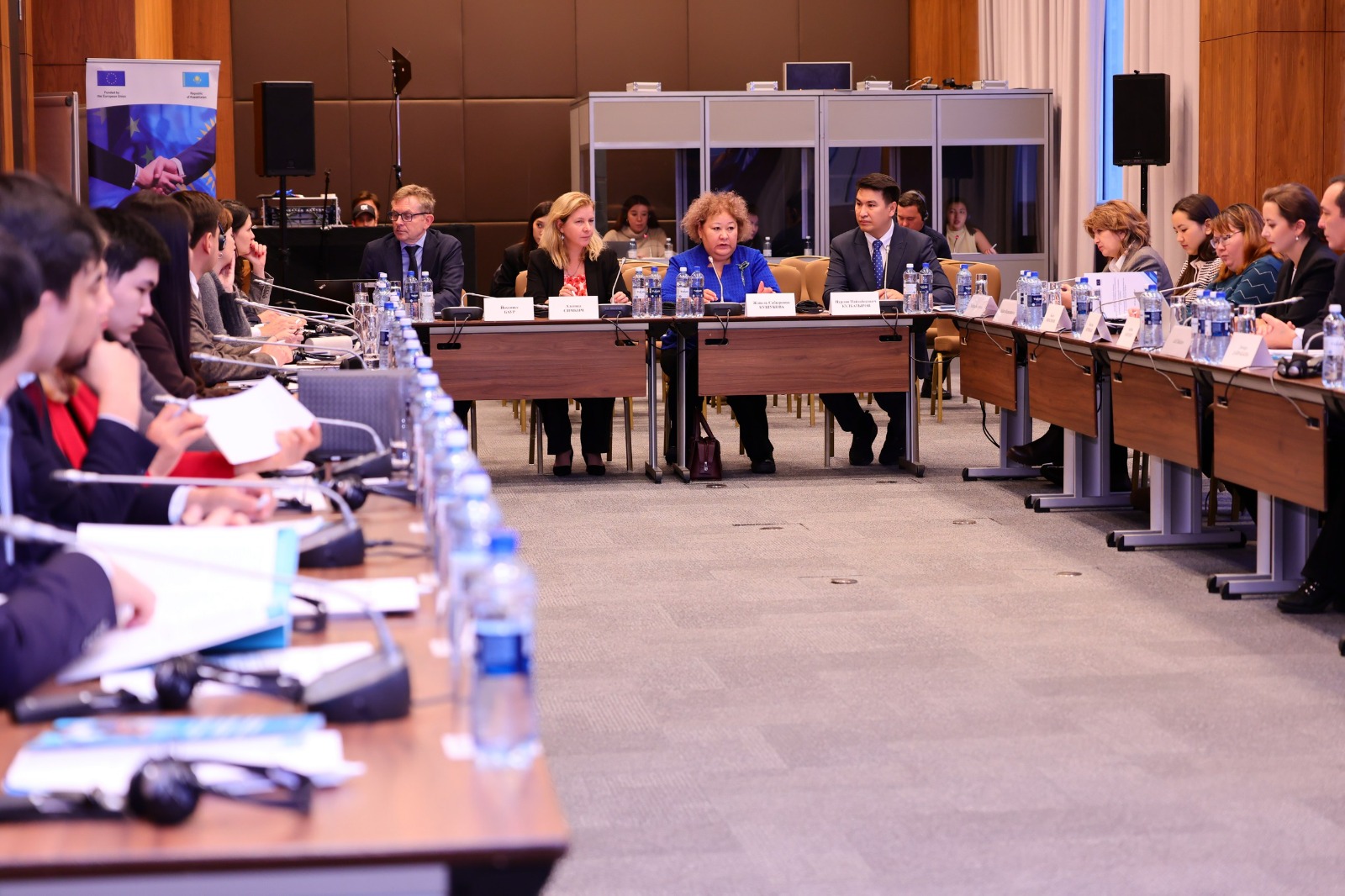
Nurlan Kulbatyrov, Deputy CEO of QazTrade, spoke about the transition to the “Digital by Default” model and the CART.IS initiative implemented jointly with the International Trade Centre.
The project assesses government information systems, identifies bottlenecks, and helps create a unified digital architecture for foreign trade, accelerating processes and increasing transparency for businesses.
Digital transformation has also touched the customs sphere.
The KEDEN system ensures data integration, speeds up declaration processing, and reduces the impact of the human factor.
Seaports and transport infrastructure are being modernized to increase the throughput capacity of the Middle Corridor and introduce digital logistics tools.
The Ready4Trade Central Asia projects and GIZ support strengthen the institutional foundations of trade facilitation in the region, promoting information exchange, procedure harmonization, and the implementation of compatible digital solutions.
Thanks to these efforts, Kazakhstan is reducing cargo delivery times along the Middle Corridor by more than half — from 38–53 days in 2022 to 12–18 days in 2024, and on some routes to 9–11 days.
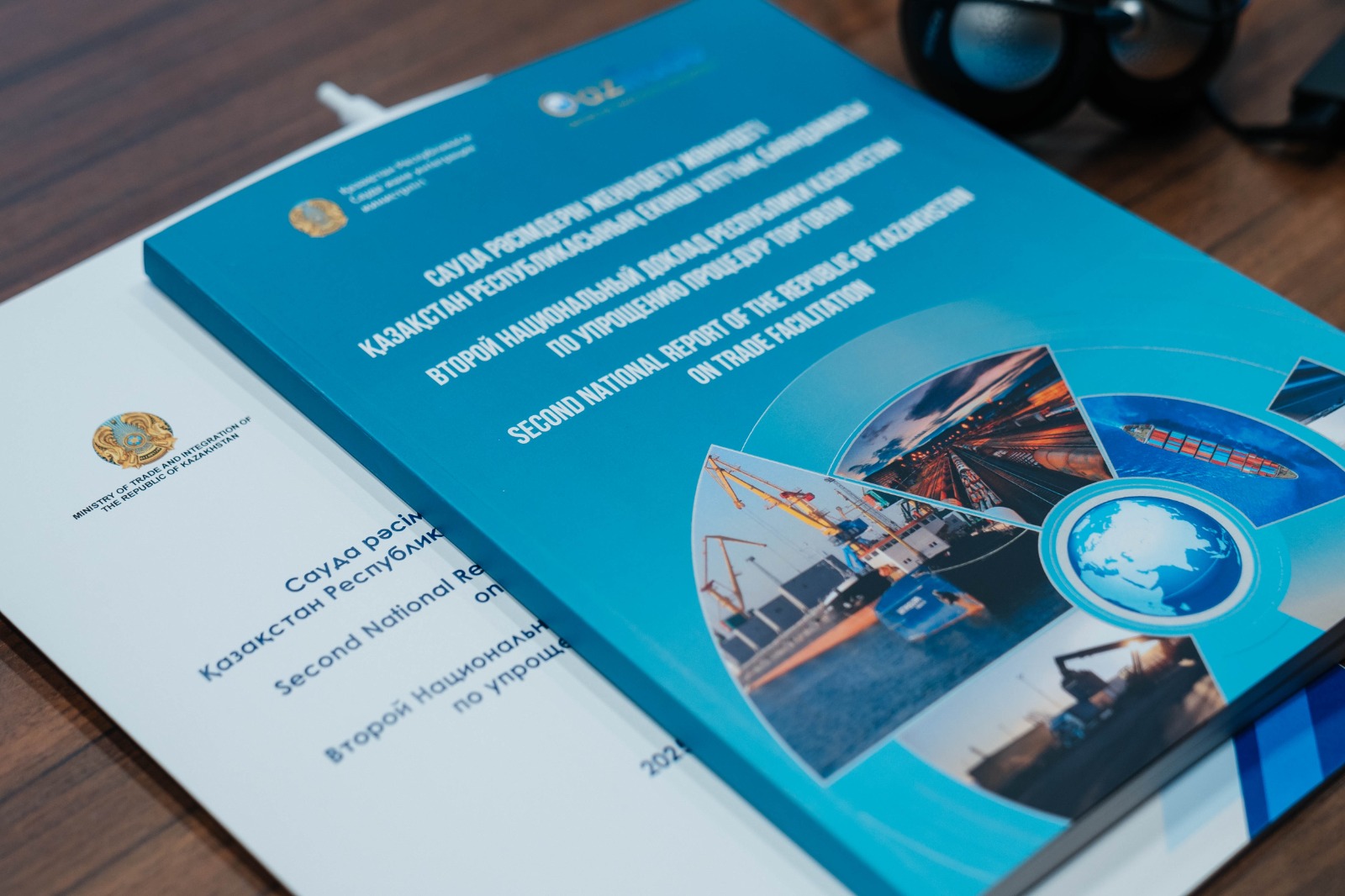
Alongside digitalization, Kazakhstan is actively developing the infrastructure of the Middle Corridor. This includes implementing port solutions based on the “single window” model, intelligent terminal operating systems (TOS), and integrating maritime, rail, and road routes.
These measures make the corridor more technologically advanced, predictable, and competitive.
Emphasis is also placed on green and sustainable trade: route optimization, a shift toward rail–sea transport, port modernization, and energy-efficient equipment reduce the carbon footprint.
Kazakhstan is preparing businesses for EU CBAM requirements and promoting emissions accounting across the entire supply chain.
Certificates, permits, and standards — including forms “CT-1”, “CT-2”, “CT-3”, “A”, “EAV”, “Original”, test protocols, international cargo weighing certificates, ATA Carnet, and transit permits through foreign territories — are also being actively integrated into digital processes, simplifying procedures for exporters.
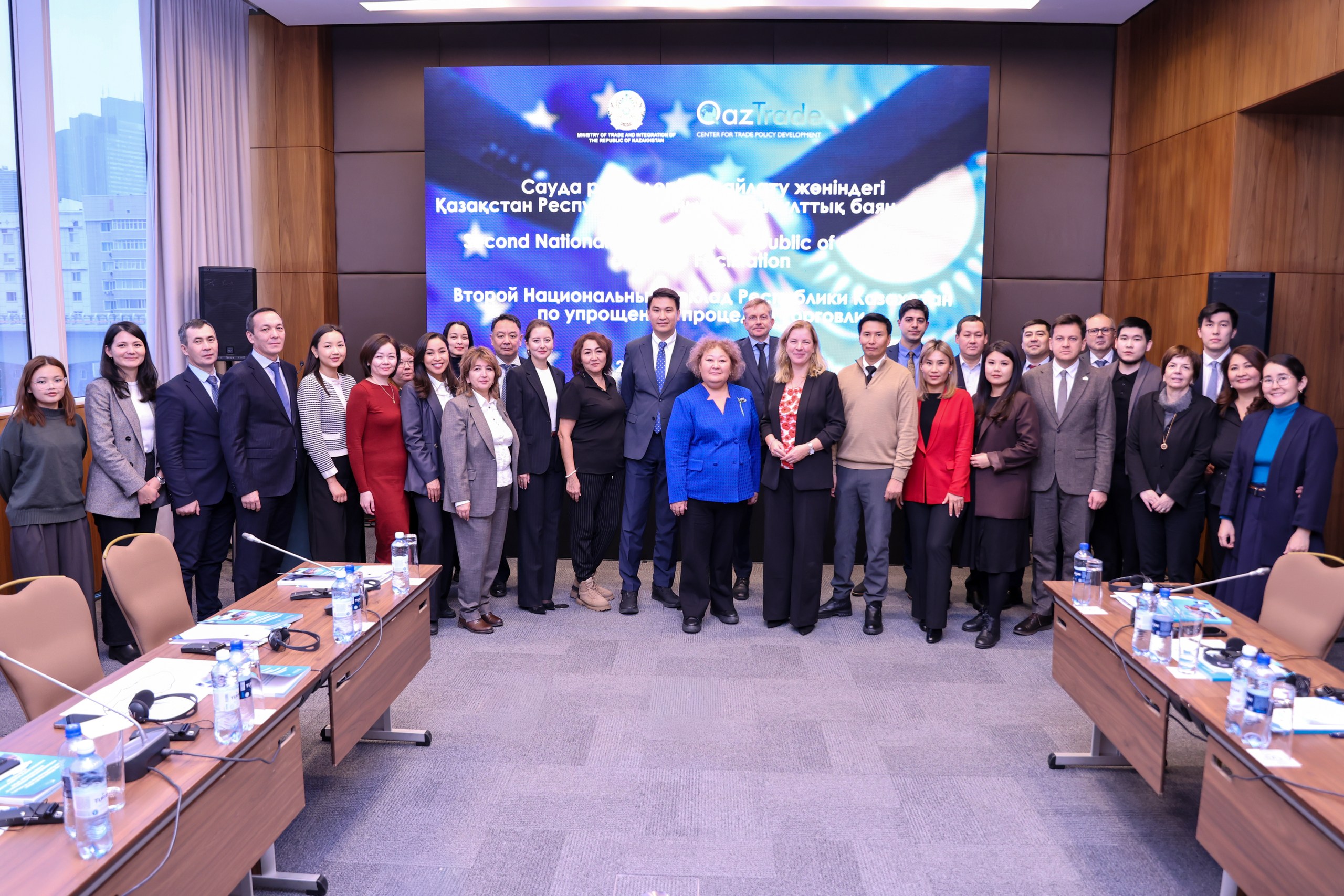
The report has become a tool for self-assessment of Kazakhstan’s progress in trade facilitation and a platform for developing concrete solutions that can serve as an example for other countries in the region.
The strategic goal of the country is to transform the Middle Corridor into a digital, environmentally friendly, and sustainable platform for international trade, ensuring transparency, predictability, and equal access to markets for all participants.
“Simplifying trade procedures and developing the Middle Corridor is a systemic strategy, not a one-time initiative. Kazakhstan is focusing on digital solutions, infrastructure development, and international partnerships to make TITR a full-fledged platform for regional integration and green growth,” emphasized Nurlan Kulbatyrov.