



Since 2020, Kazakhstan has been implementing an export acceleration program, through which more than 300 non-raw sector enterprises have entered foreign markets, signing contracts worth over USD 189 million.

Alimzhan Umarov, QazTrade:
“Currently, 120 companies have been selected. We provide support in market analysis, product certification, development of marketing strategies, and organize meetings with potential partners.”
However, support alone is not enough. Experts note that Kazakh products often lose out abroad due to weak packaging and insufficient marketing.
Aitmukhammad Aldazharov, CEO of QazTrade:
“We need to work according to the preferences of importing countries. We have a good product, but we cannot package it properly. Cooperatives already know how to do this and how to promote it.”
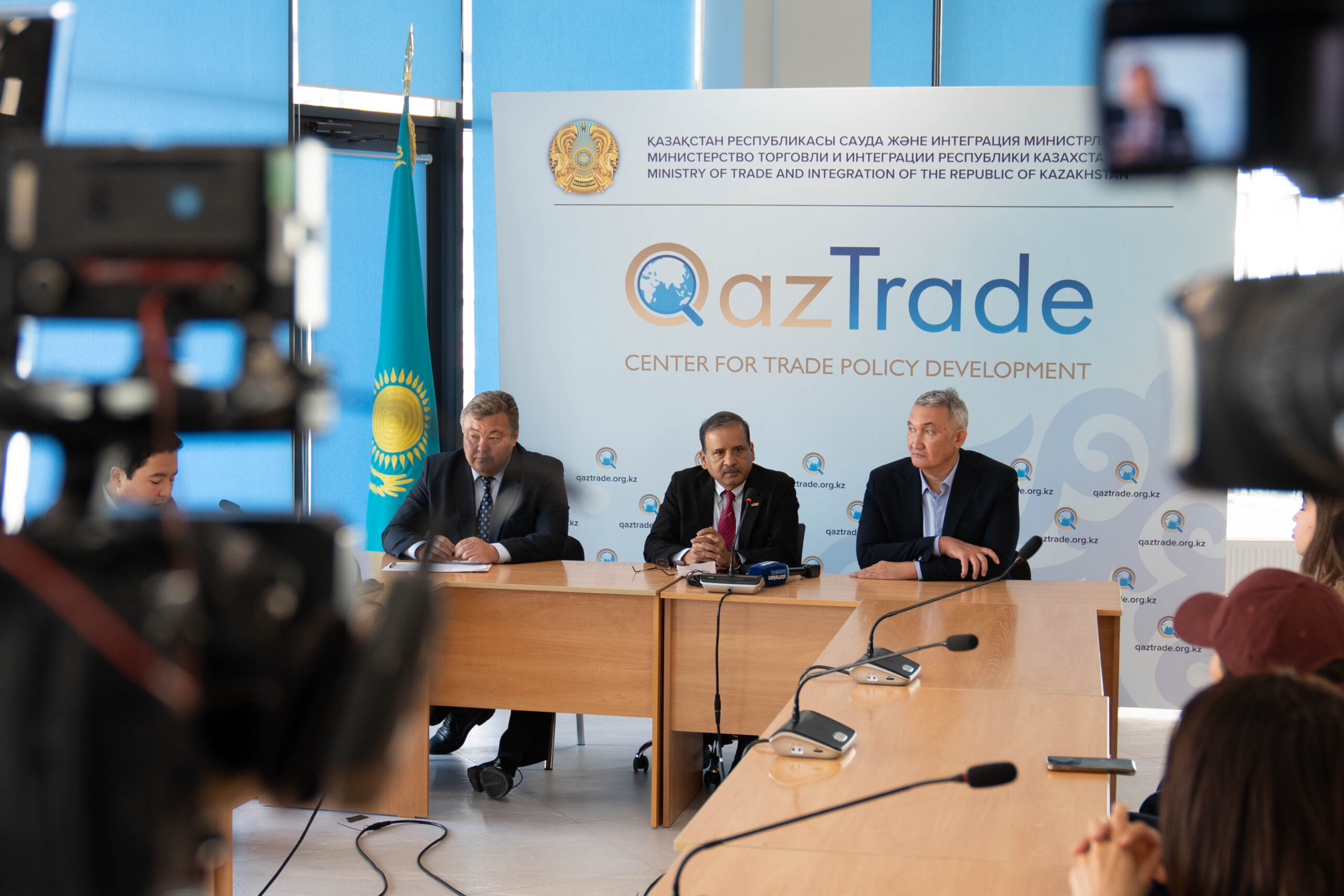
This issue can be addressed through the development of cooperation. For the first time, Kazakhstan was officially visited by the head of the International Cooperative Alliance in the Asia-Pacific region. He emphasized that uniting small producers into cooperatives allows for consolidation of goods, certification, repackaging, and adapting products to foreign market standards. This format can increase export efficiency and create new sales channels.
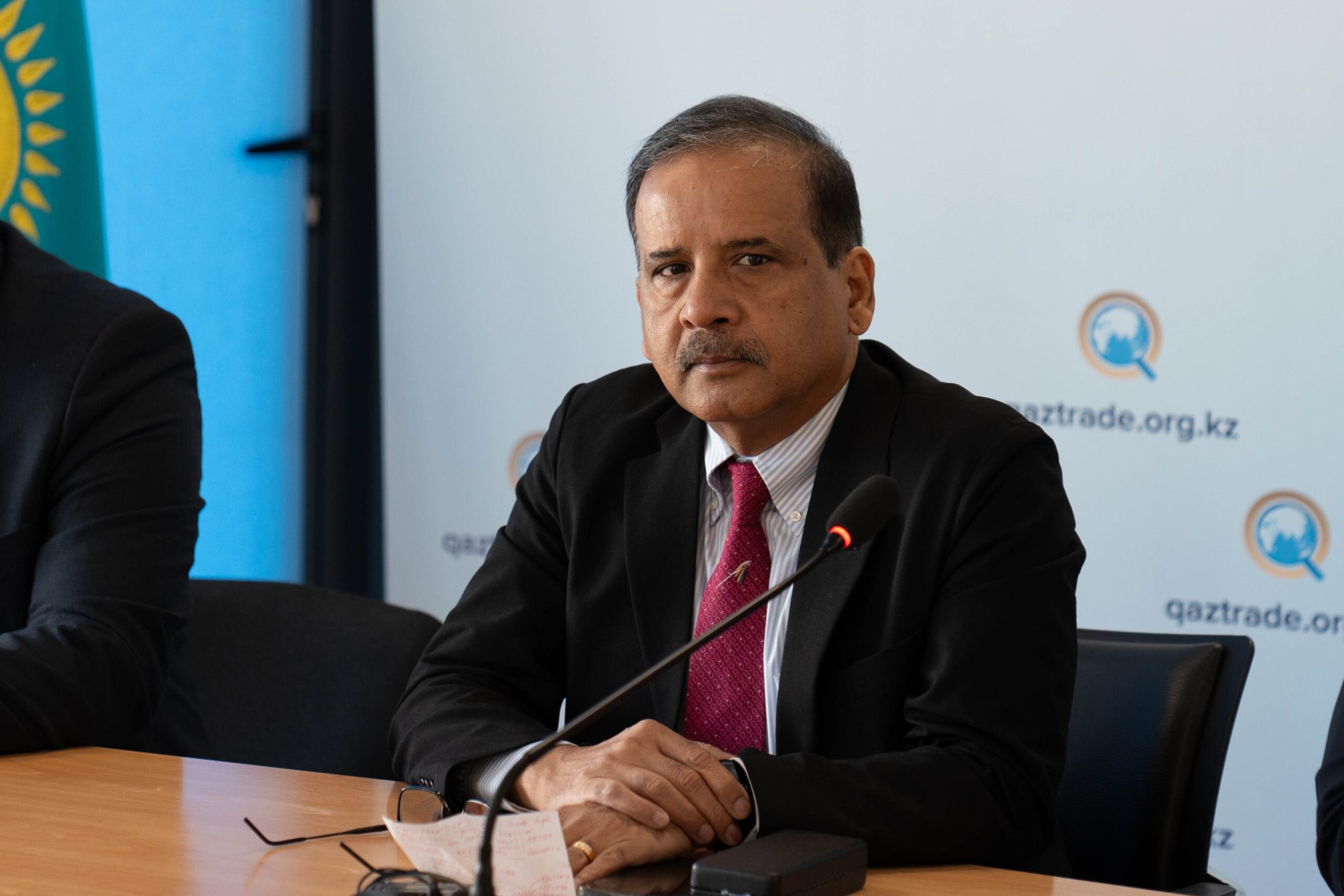
Balu Ayer, Head of the International Cooperative Alliance in the Asia-Pacific region:
“We constantly monitor the top 300 cooperatives worldwide, with a total revenue of USD 2.1 trillion. We believe that cooperative innovations effectively solve the problem. Through cooperation, farmers can receive fair payment for their products, and consumers get a fair price for the goods they purchase.”
Thus, combining the state export acceleration program with the development of the cooperative movement could become the key to strengthening Kazakhstan’s positions in international markets. Systematic support for producers, work on packaging and marketing quality, and pooling efforts within cooperatives create real prerequisites for the long-term growth of non-raw exports.