



In Astana, the results of the CART.IS study were presented, identifying where Kazakhstan needs to accelerate trade digitalization. The project is being implemented with the support of the European Union and the International Trade Centre.
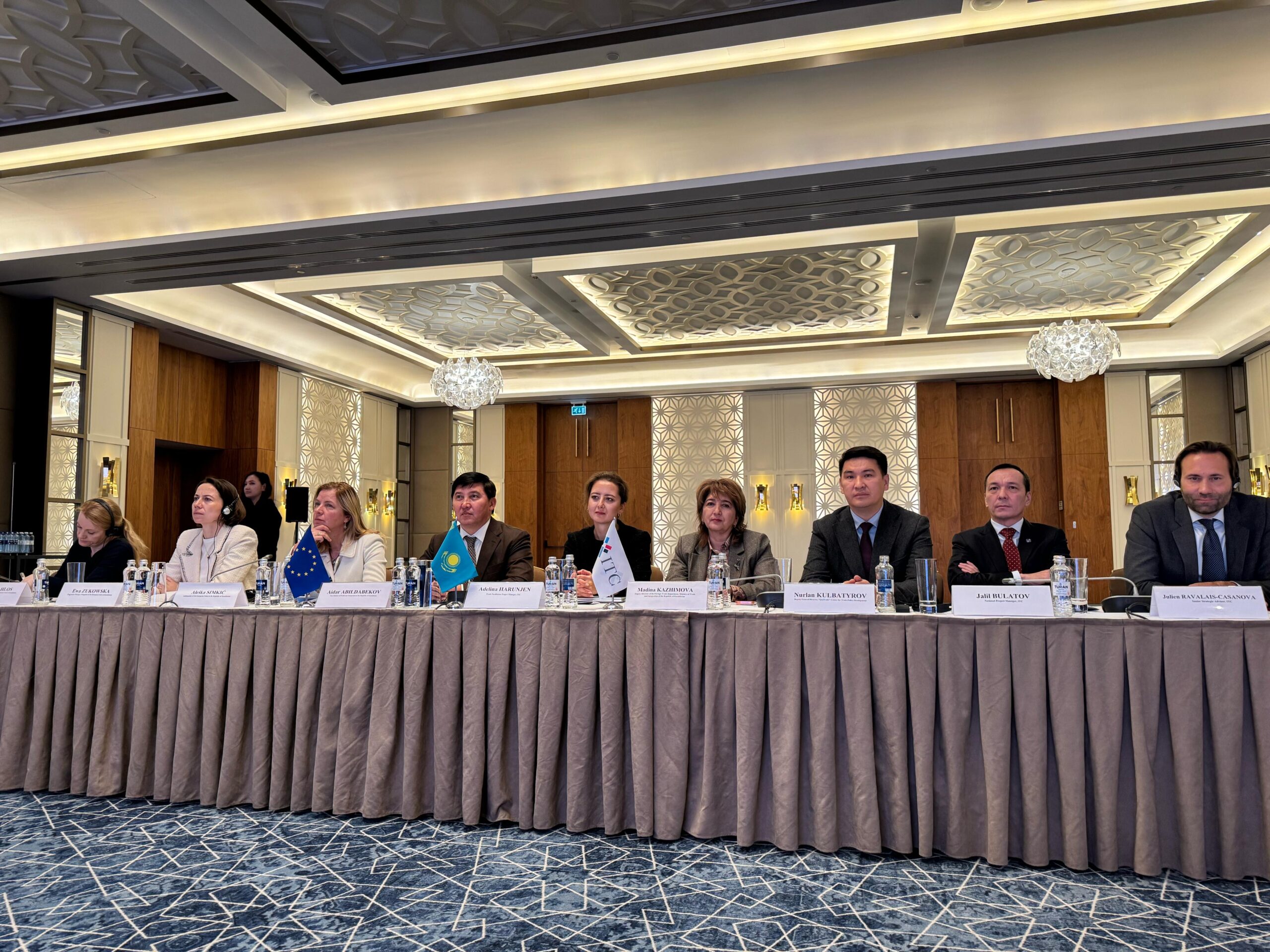
The meeting brought together representatives of the Ministry of Trade and Integration, QazTrade, government agencies, and international partners. The goal of the meeting was to determine how to make data exchange between agencies and countries faster, more transparent, and fully digital.
The analysis covered 27 key services involved in foreign economic activity. Of these, 81% are already provided electronically, while 19% remain paper-based. At the same time, 15 government IT systems operate in isolation: only 11 services are connected to the interdepartmental electronic interaction system, while 14 still require integration.
The study also revealed that 60% of cross-border procedures require digital interconnection with systems of other countries — primarily Russia, China, Azerbaijan, Uzbekistan, and Kyrgyzstan. The absence of such integration leads to document duplication and additional business costs.
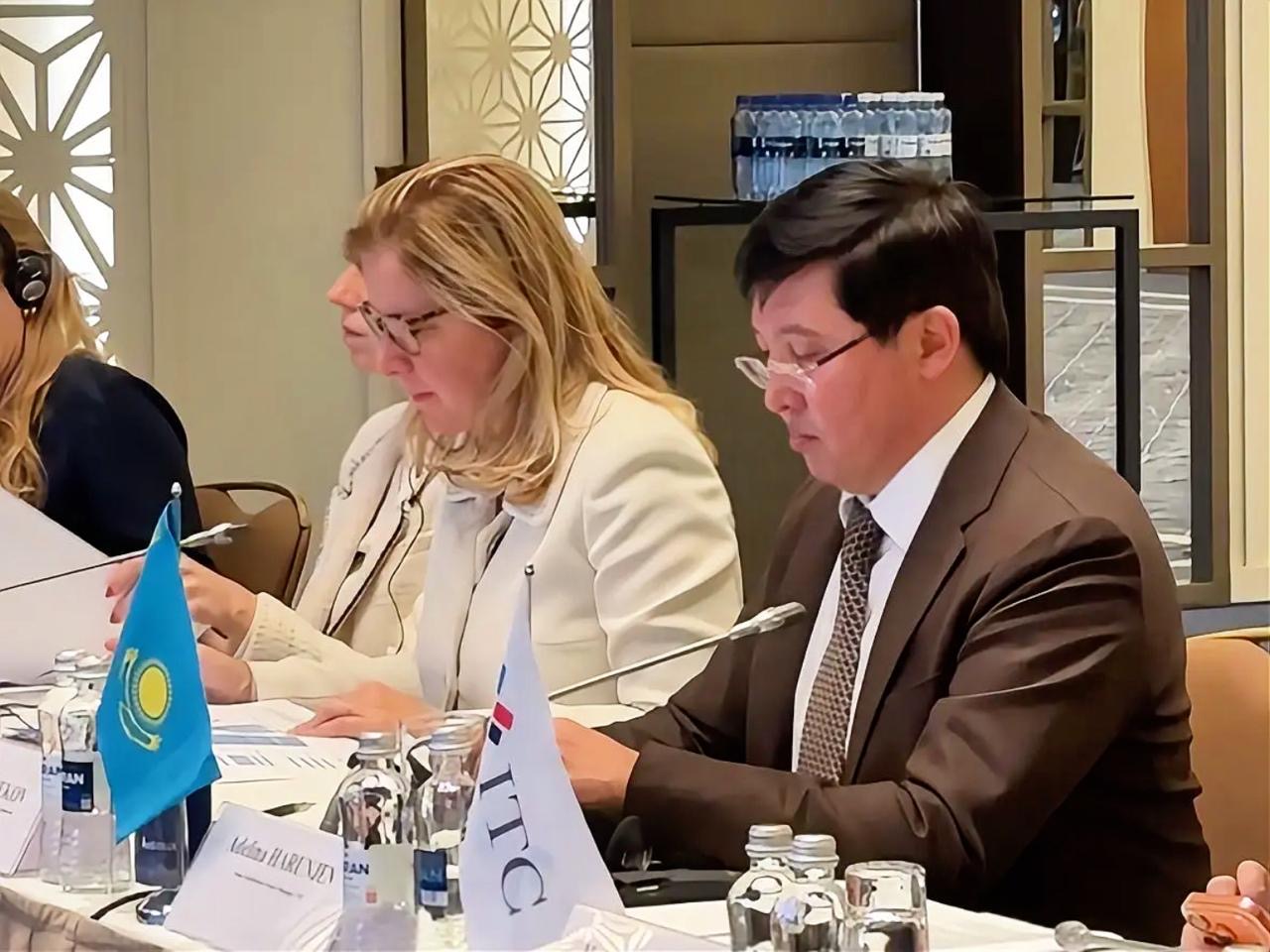
Deputy Minister of Trade and Integration Aidar Abildabekov noted that further simplification of trade procedures requires not only digitalization but also interoperability between government system architectures. “The CART.IS initiative is not just analytical work but a practical tool that will help Kazakhstan make foreign trade faster, more transparent, and more predictable,” he emphasized.
EU Ambassador to Kazakhstan Aleska Simkic noted that Kazakhstan has already established itself as a leader in digital transformation in the region. “The country demonstrates impressive progress in paperless trade and e-government development. This is a solid foundation for expanding economic ties with Europe,” she said.
The study also revealed that only five of the twelve institutions involved have their own digitalization departments. These findings emphasize the need to strengthen institutional capacity and improve coordination between agencies. Deputy CEO of QazTrade Nurlan Kulbatyrov added that transitioning to fully paperless trade could increase Kazakhstan’s trade turnover by 10–15% annually by reducing business costs.
 The CART.IS analysis was conducted as part of the project “Ready4Trade: Path to Prosperity through the Trans-Caspian Transport Corridor,” financed by the European Union and implemented by the International Trade Centre. The project aims to modernize trade procedures, enhance regional connectivity, and support small and medium-sized enterprises in Central Asia. The International Trade Centre is a joint agency of the World Trade Organization and the United Nations that helps enterprises from developing countries access global markets. The European Union unites 27 states and advocates for sustainable development, democracy, and free trade worldwide.