



A round table dedicated to the implementation of the National Action Plan in the field of digital trade was held in Astana. The event was organized by QazTrade JSC, the Ministry of Trade and Integration of the Republic of Kazakhstan, and UN ESCAP.
The main topic of discussion was Kazakhstan’s accession to international agreements on paperless trade and the formation of an open digital ecosystem that will accelerate export-import operations and enhance business competitiveness.
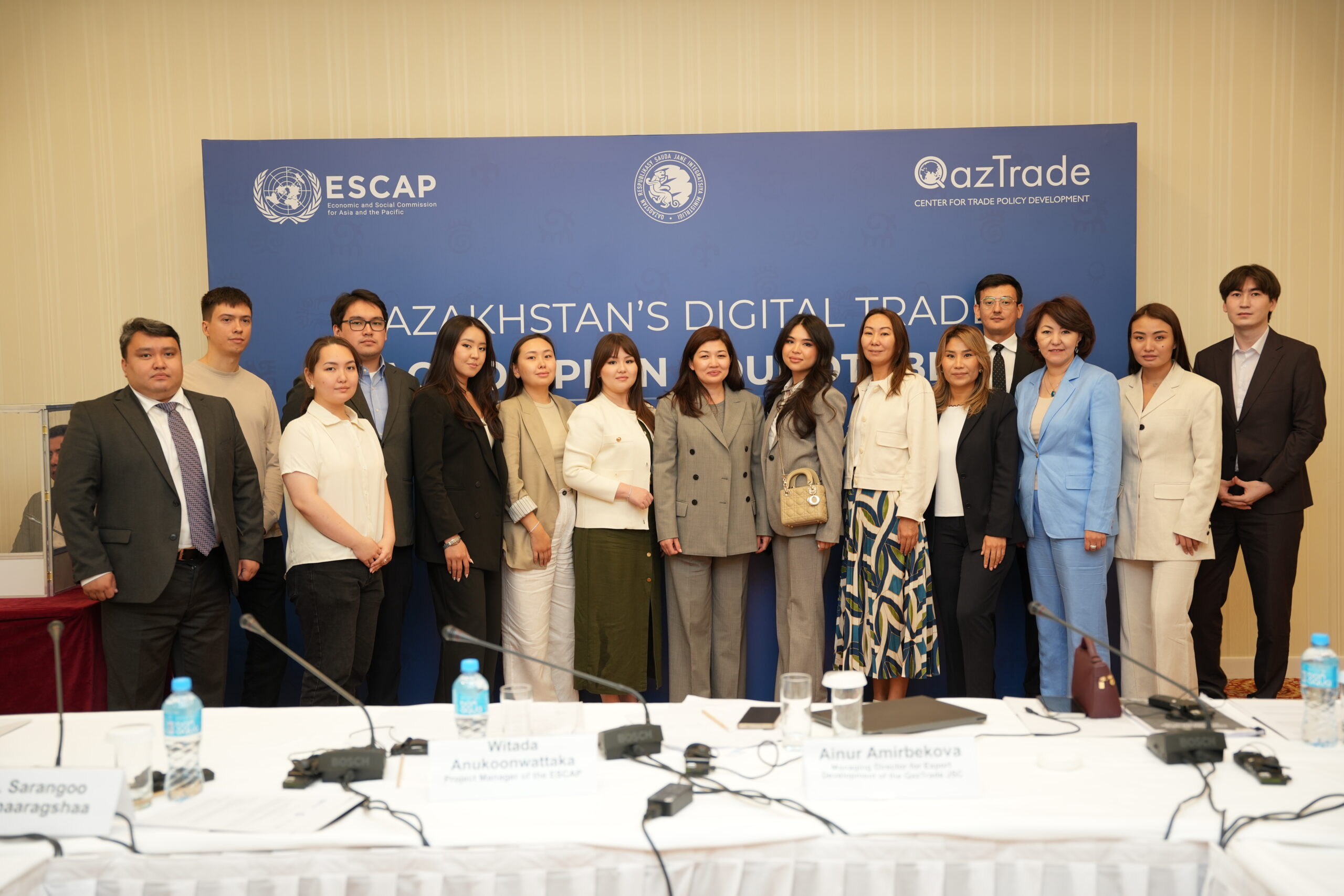
The founder of IT company TrustMe, Chingiz Dauletbayev, emphasized the need for close cooperation between the state and business:

“We have all the prerequisites to become not only a transport hub but also a trusted digital hub. For this, it is important to join international agreements on paperless trade, implement unified standards, and allow trusted platforms to directly integrate with tax and customs systems. We are ready to work together. We also ask for support in promoting the export of domestic digital solutions to foreign markets.”
Before the introduction of RDTII, Kazakhstan faced systemic barriers such as outdated and overlapping legislation, and the lack of jurisdiction over foreign e-commerce platforms, which accounted for nearly 90% of consumer complaints.
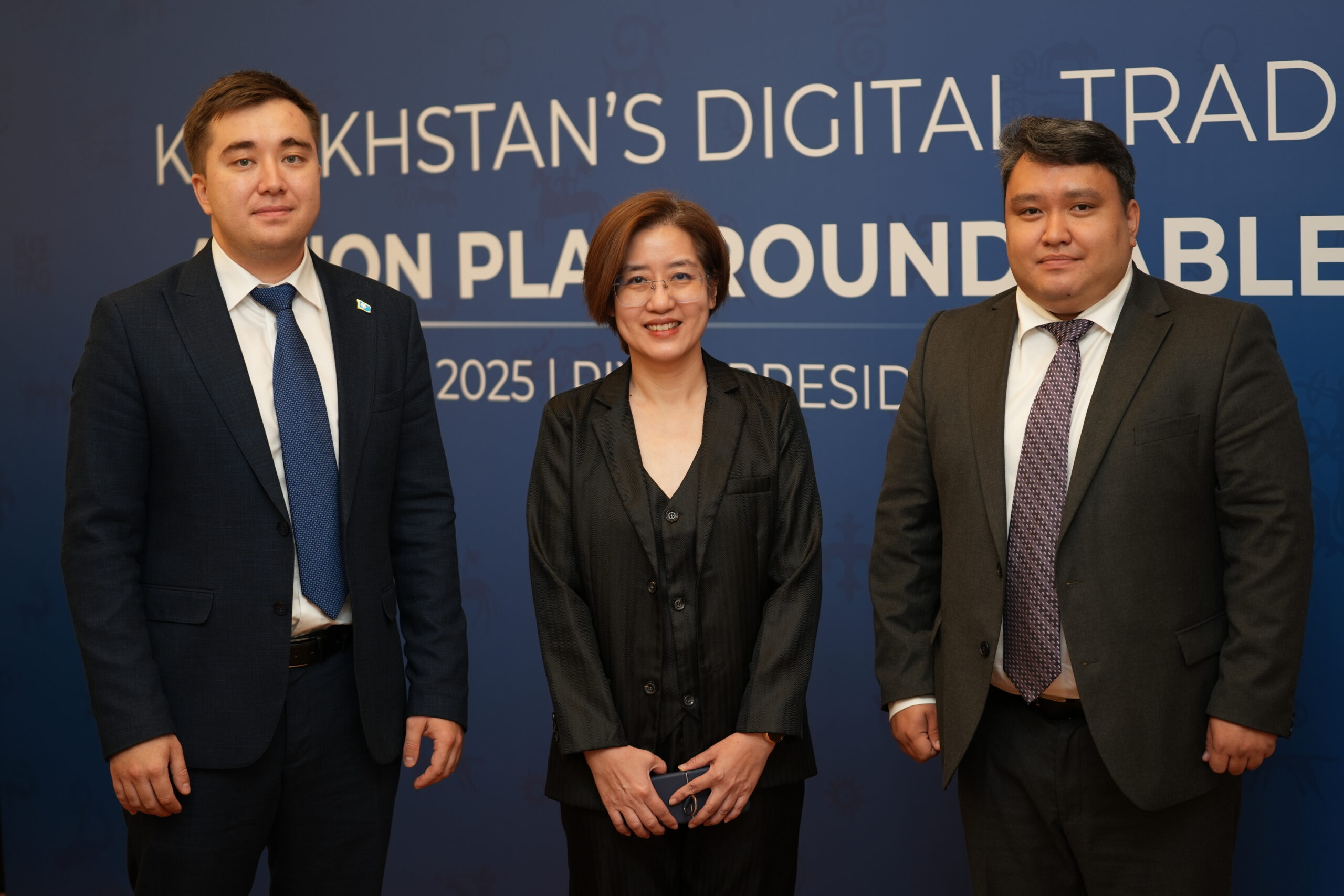
According to Deputy Minister of Trade and Integration Asset Nusupov, participation in the UN ESCAP RDTII 2.0 initiative made it possible to obtain a comprehensive assessment for the first time and, based on it, develop a National Action Plan.
“RDTII provided us with the necessary analytics, which formed the basis of 43 specific measures. Today we see the first results: digital companies are operating one-third more productively, more than 2,000 SMEs have received training, and over 300,000 jobs have been created in the digital trade chain. This proves that digital transformation is not only theory, but a real tool for enhancing competitiveness and improving citizens’ well-being,” he stressed.

According to QazTrade JSC, the volume of e-commerce in Kazakhstan grew by more than 60% last year. More and more small and medium-sized businesses are entering online markets, including international ones.
“According to the RDTII 2.0 index, our country scored 0.553 compared to the regional average of 0.424. This helped us identify not only strengths but also areas where further work is needed. Today, e-commerce already accounts for 14.5% of the entire retail market, and all public procurement has been moved online. The National Plan is aimed at removing barriers and increasing the share of cross-border e-commerce to over 10%. All this strengthens Kazakhstan’s position as a digital hub of Central Asia. For Kazakhstan, a landlocked country, digital transformation is not just a choice but a necessity. Our goal is to create an open and sustainable digital trade system that will support business and integrate Kazakhstan into regional and global supply chains,” said Ainura Amirbekova, Deputy CEO of QazTrade JSC.
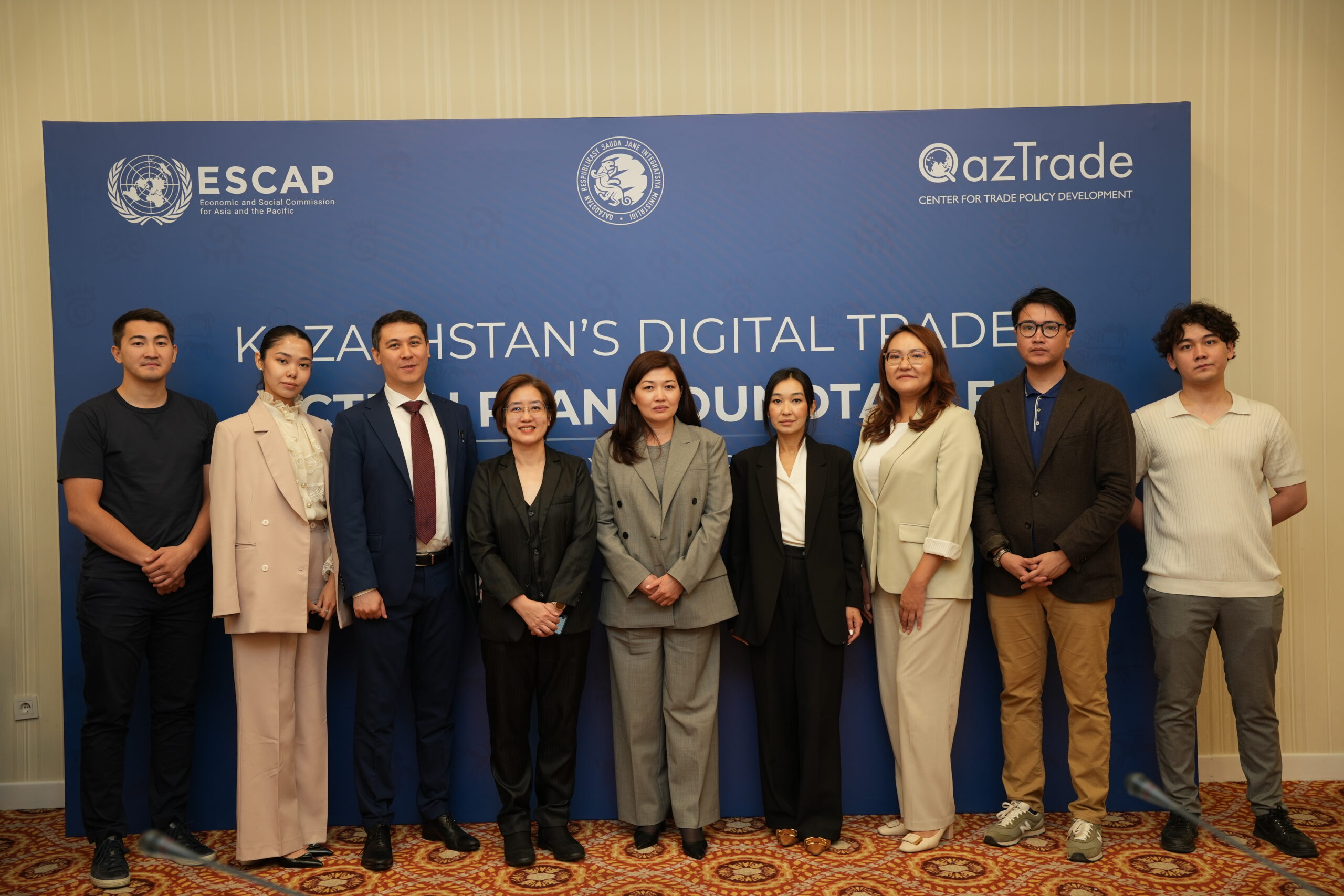
Experts paid special attention to human capital. As Deputy Minister Asset Nusupov noted, Kazakhstan’s youth — 8.2 million people aged 15 to 45 — possess high digital literacy and entrepreneurial potential. This creates a solid foundation for the development of a sustainable digital trade ecosystem, which is becoming a strategic tool for enhancing competitiveness and regional connectivity.
Participants of the round table confirmed Kazakhstan’s commitment to accelerated digitalization of trade and the expansion of international cooperation. In the near future, emphasis will be placed on harmonizing legislation, implementing paperless solutions, and supporting SMEs in accessing global markets.