



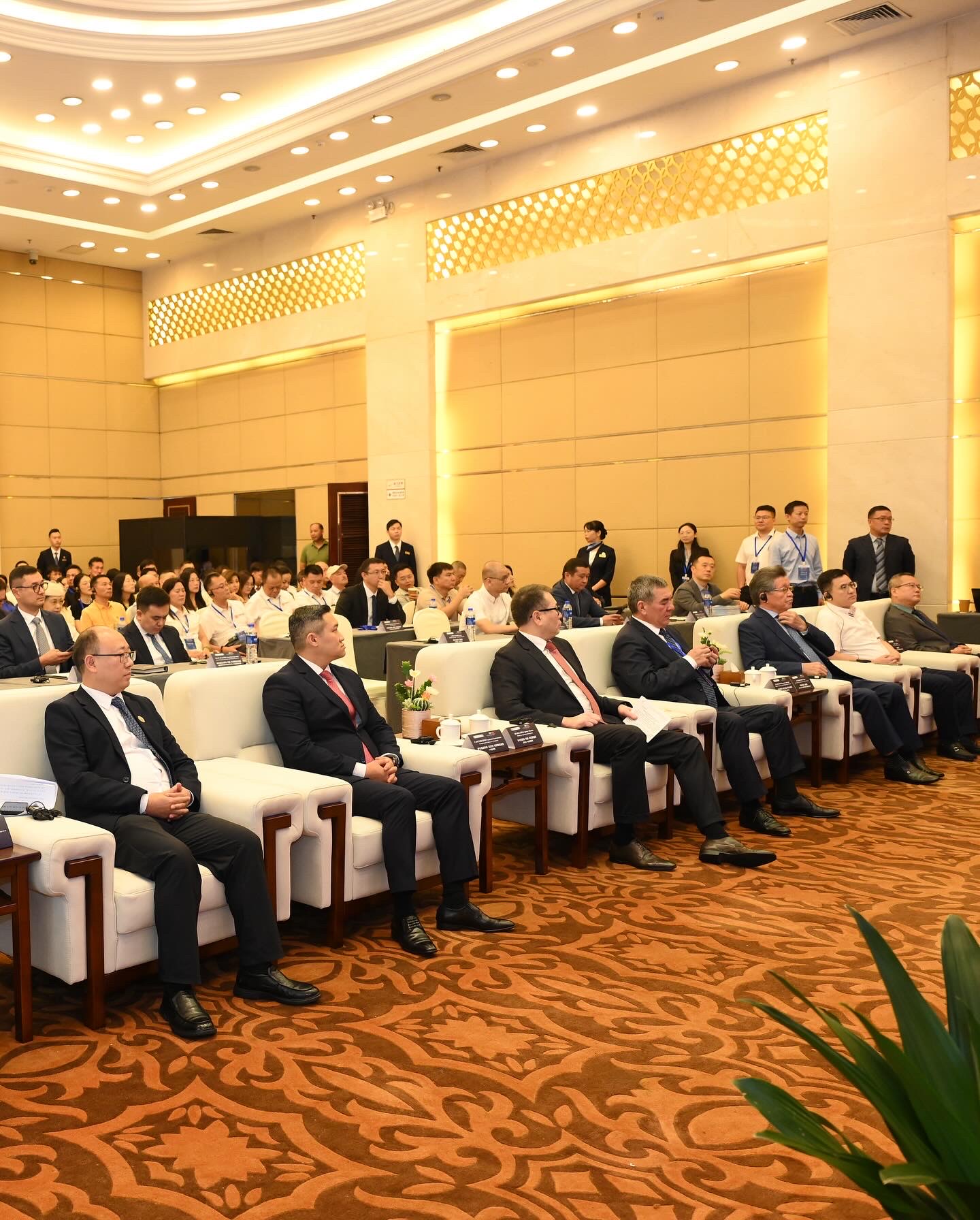
A Kazakhstan Trade and Economic Mission (TEM) was held in Guangzhou, bringing together representatives of more than 20 Kazakhstani companies and leading business circles of Guangdong Province.
The forum was opened by the Minister of Trade and Integration of the Republic of Kazakhstan, Arman Shakkaliev. He emphasized that Kazakhstan and China are strategic allies, and bilateral trade turnover reached almost $15 billion in the first half of 2025, which is 5.9% higher compared to the same period last year.
The Minister also highlighted the potential of Guangdong Province, China’s largest economy with a GDP of $1.9 trillion, where trade with Kazakhstan grew by 37.3% over the past year.
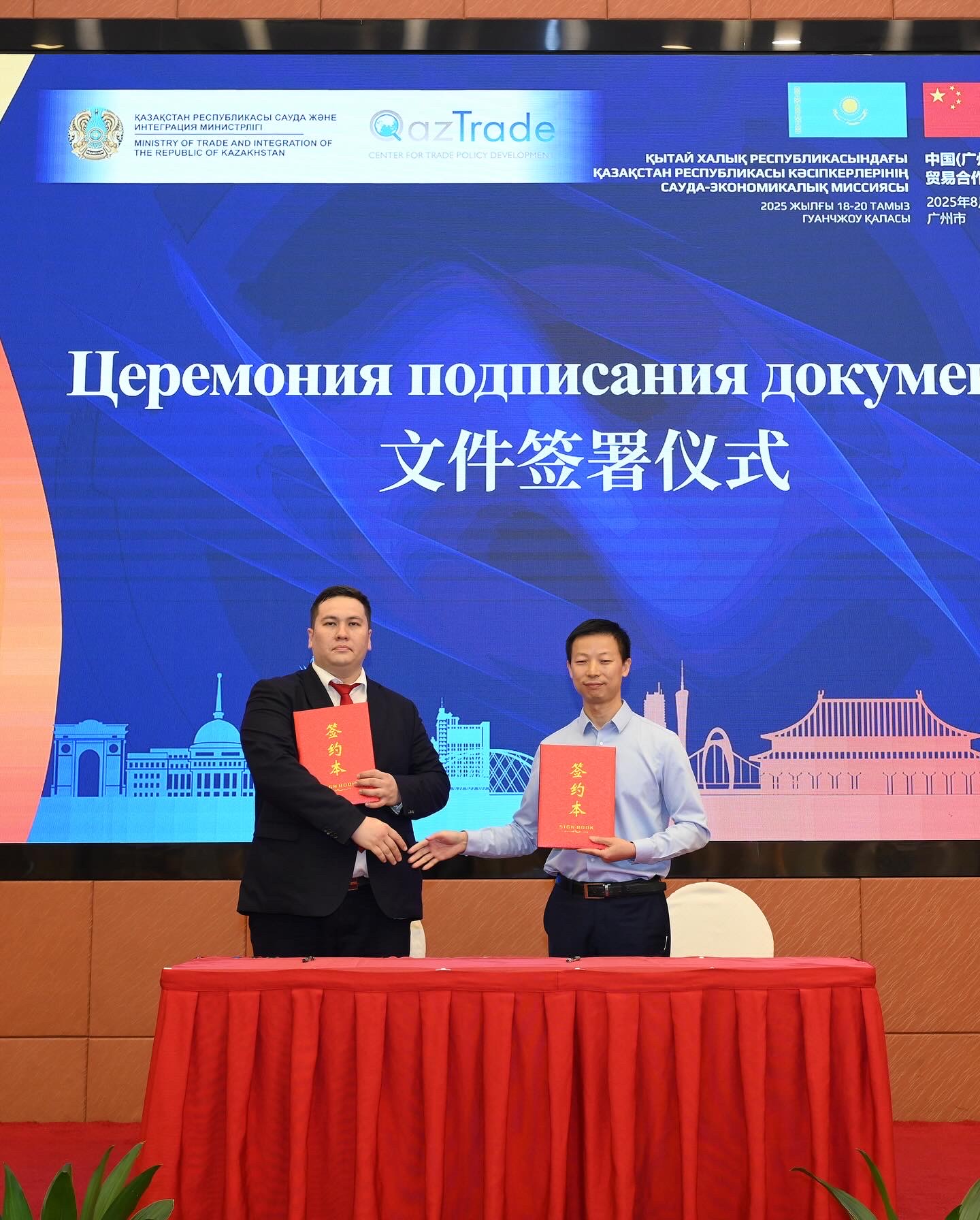
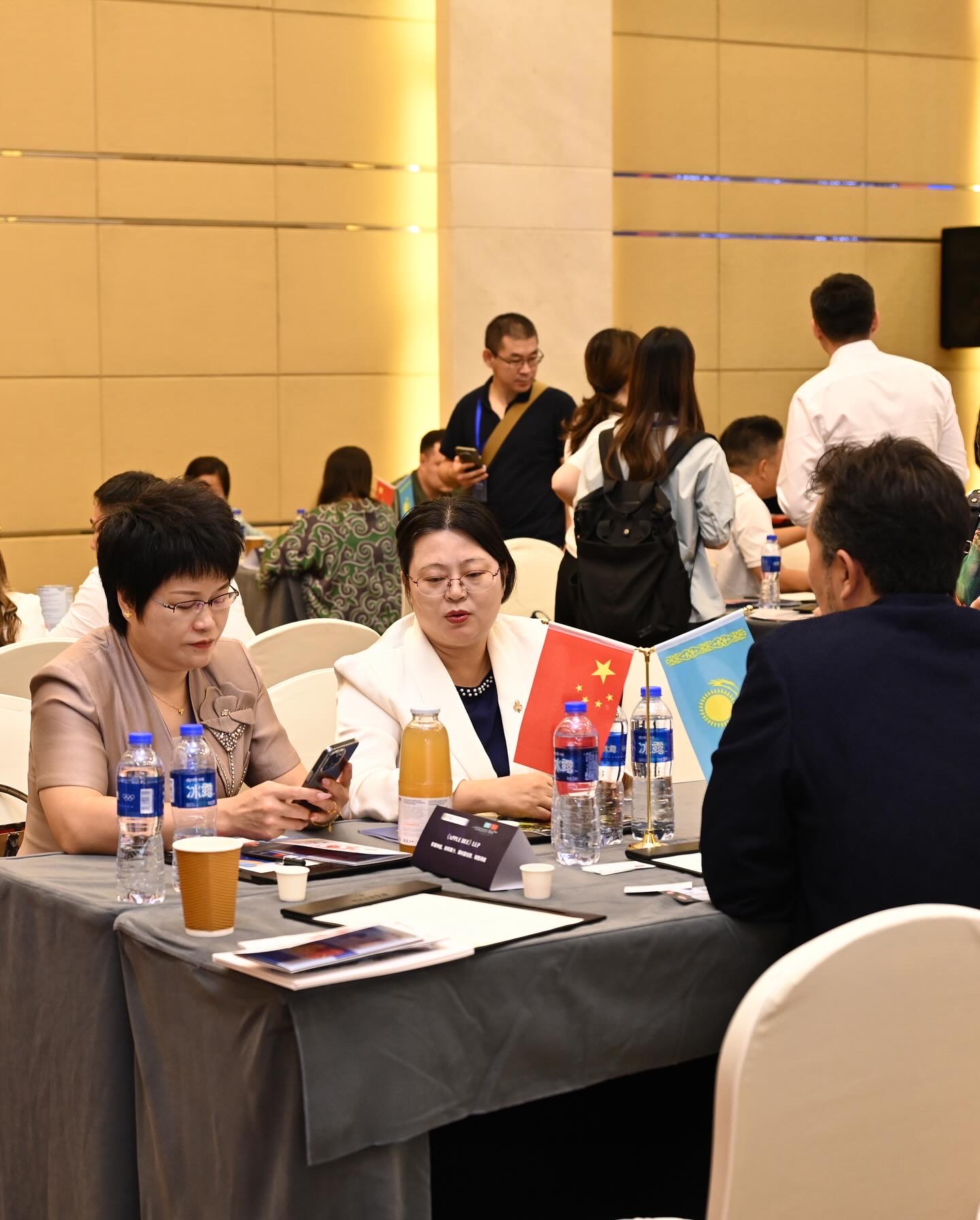
Within the framework of the TEM, a number of memorandums were signed, including a cooperation agreement between the unified export development operator “QazTrade” and the Guangdong Chamber of Commerce of Importers & Exporters. Based on this agreement and the results of negotiations, connections were established with major trade associations of the province, which enabled concrete agreements on the supply of rapeseed oil, feed meal, and barley worth a total of $45 million. In addition, the Chinese side showed strong interest in products such as croutons, natural juices, and camel milk powder, which opens up additional prospects for expanding Kazakhstani exports to China.
Along with trade contracts, infrastructure issues were also discussed. Kazakhstan remains a key transit hub along the China–Europe route, with more than 80% of cargo passing through its territory. Within the framework of the “Belt and Road” initiative and the Trans-Caspian corridor, the country aims to increase freight traffic along the Middle Corridor to 10 million tons per year by 2030.
Participants also paid great attention to investment cooperation. Since independence, Kazakhstan has attracted $26.4 billion of Chinese investments. Currently, 224 industrial projects worth over $66 billion are underway, of which 67 have already been successfully completed. These figures demonstrate a high level of business confidence and resilience of the partnership.
Summing up, Arman Shakkaliev invited Guangdong entrepreneurs to actively consider Kazakhstan as a platform for new projects: “We are ready to offer our partners favorable conditions, tax incentives, and modern infrastructure. Kazakhstan will become a golden bridge to enter the markets of Central Asia, the CIS, the Middle East, and Europe.”
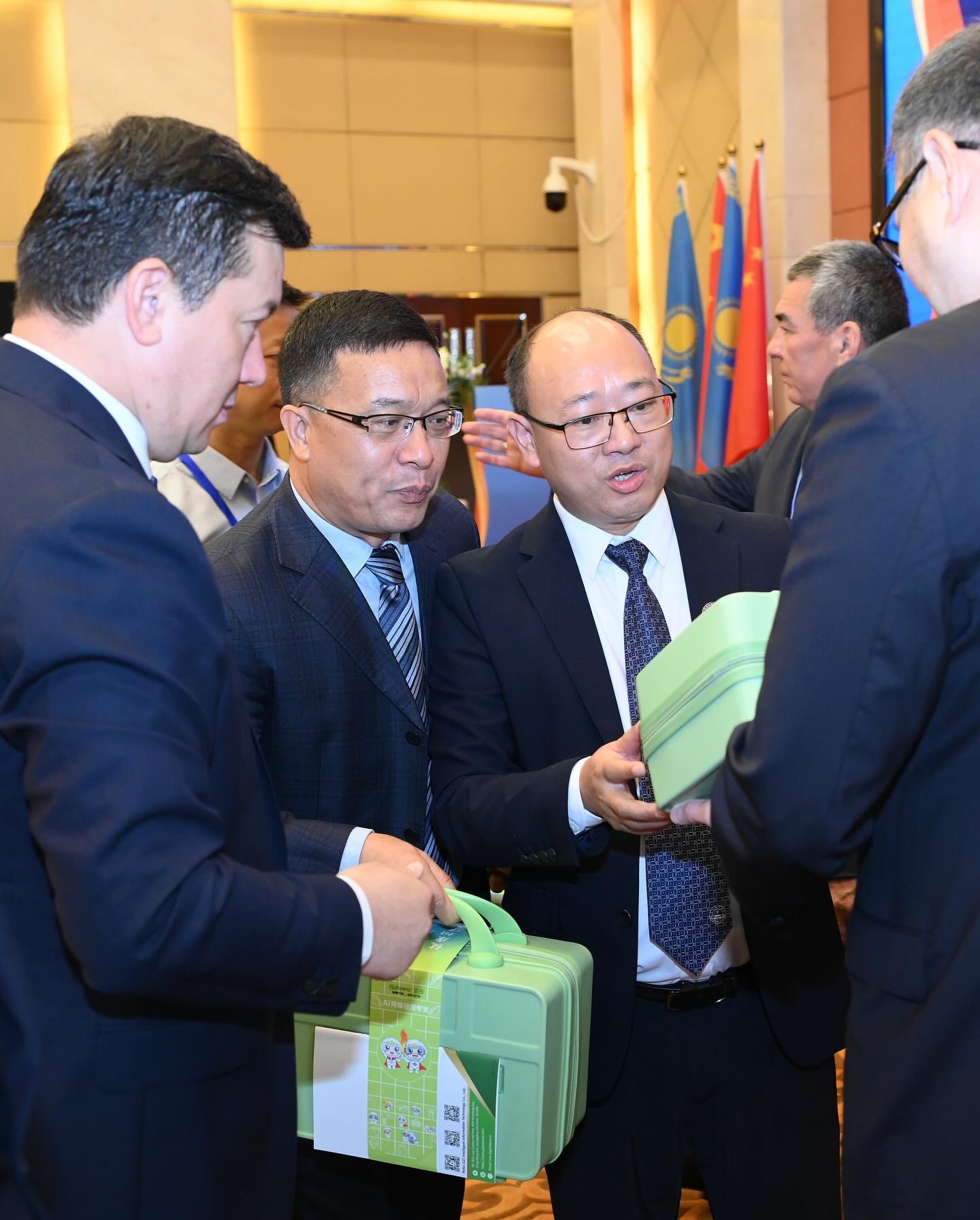
As a result of the mission, the parties agreed to expand supplies, launch new joint initiatives, and strengthen interregional ties. The TEM in Guangzhou has become an important milestone in the development of the strategic partnership between Kazakhstan and China.