



Less than 80 days remain before the entry into force of the Cross-Border Carbon Tax (CBAM). In anticipation of this, a meeting was held in Astana, organized by the Ministry of Trade and Integration, QazTrade, and the European Union.
The event took place as part of the EU project “Support for the Implementation of the Enhanced Partnership and Cooperation Agreement between the European Union and the Republic of Kazakhstan.” The discussion brought together representatives of government agencies, businesses, and international organizations, including the Ministry of Ecology and Natural Resources, the Ministry of Industry and Construction, the Ministry of Finance, as well as companies such as ERG, Qarmet, and JSC “Zhasyl Damu.”
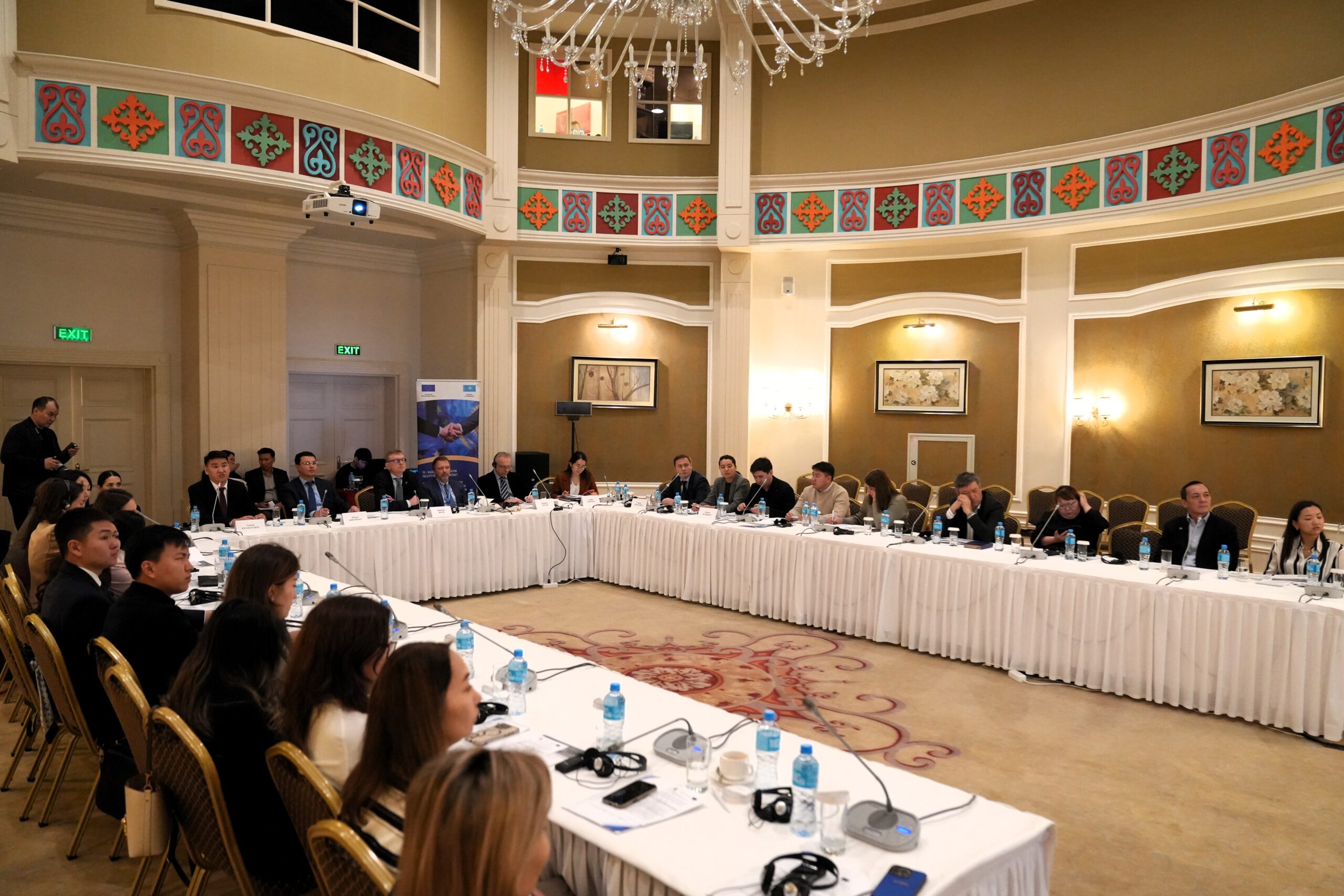
Participants discussed how to support Kazakhstani companies in the face of new climate requirements and how to maintain the competitiveness of national exports. Special attention was given to aligning national regulations with CBAM requirements, developing measurement, reporting, and verification systems for emissions, and creating digital tools to simplify exporters’ reporting.
The European Union remains Kazakhstan’s main trading partner, accounting for about 37% of the country’s foreign trade.
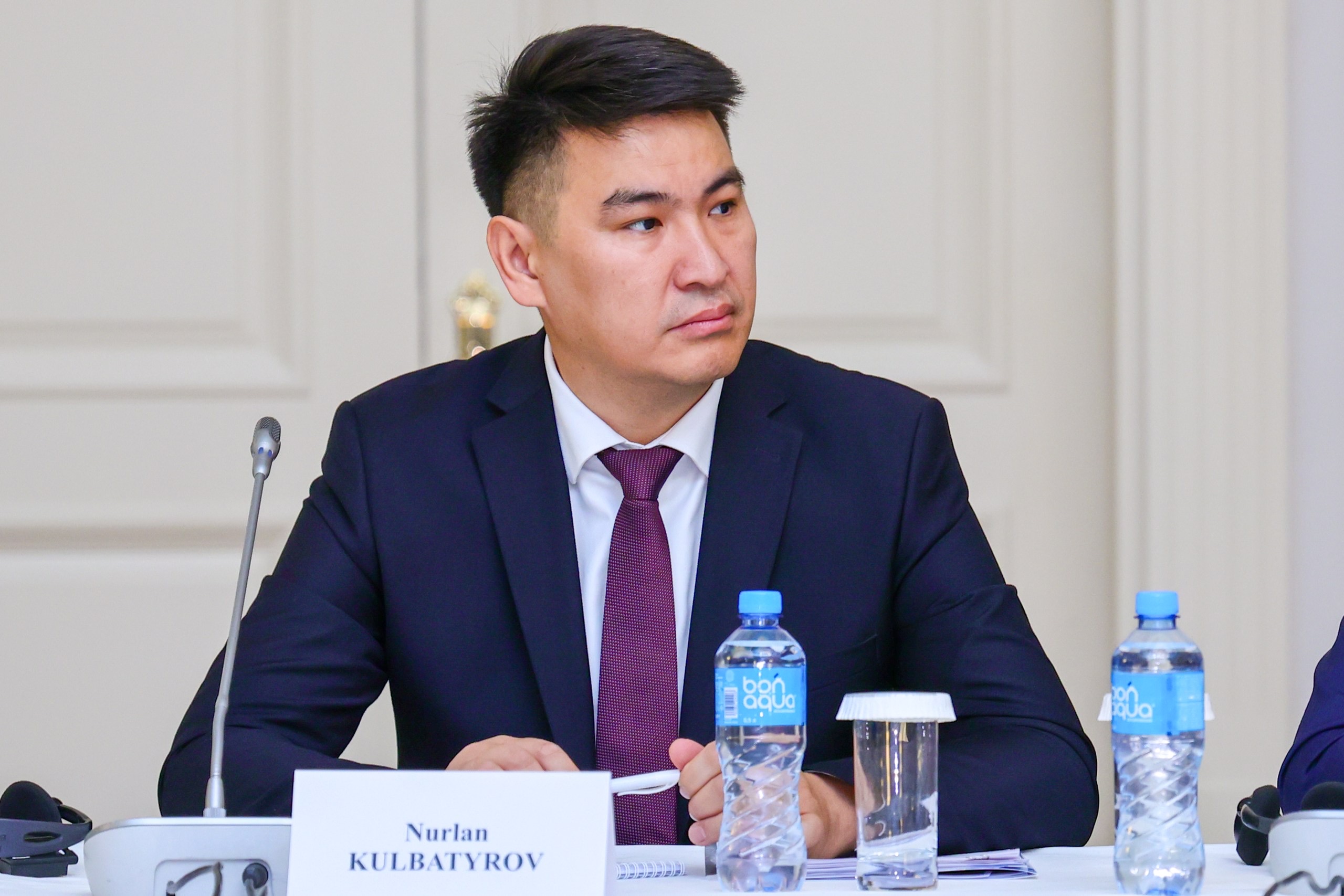
According to Nurlan Kulbatyrov, Deputy CEO of QazTrade, the introduction of CBAM is becoming one of the key factors in global trade and requires systemic adaptation from Kazakhstan:
“Our task is to support enterprises during the transition period, help them minimize risks, and maintain competitiveness in the European market,” he said.
From the industry side, Nikolay Posypanko, Head of the Sustainable Development Center of the Eurasian Group (ERG), noted that companies are already building long-term strategies considering European climate requirements:
“The cross-border carbon tax is not new. We have been operating within the framework of European climate policy for years. In the short term, the current CBAM model will not critically impact ERG — we have efficient metallurgical production comparable to the world’s best practices.
However, there remain many uncertainties, particularly the risk of including emissions from electricity consumption in the tax calculation. It is also important to understand how quickly CBAM will spread to other countries. For example, similar discussions are already taking place in China. This means that in the future, not only ERG but also Kazakhstani producers in general could face significant carbon-related costs.
ERG has already adopted a pragmatic strategy to reduce its carbon footprint and is actively implementing it. To remain competitive in the global market, coordinated interaction between the state, business, and all stakeholders is essential,” he emphasized.
Representatives of the European Union noted that Kazakhstan demonstrates a constructive approach to the implementation of climate instruments and can serve as an example for other countries in the region.
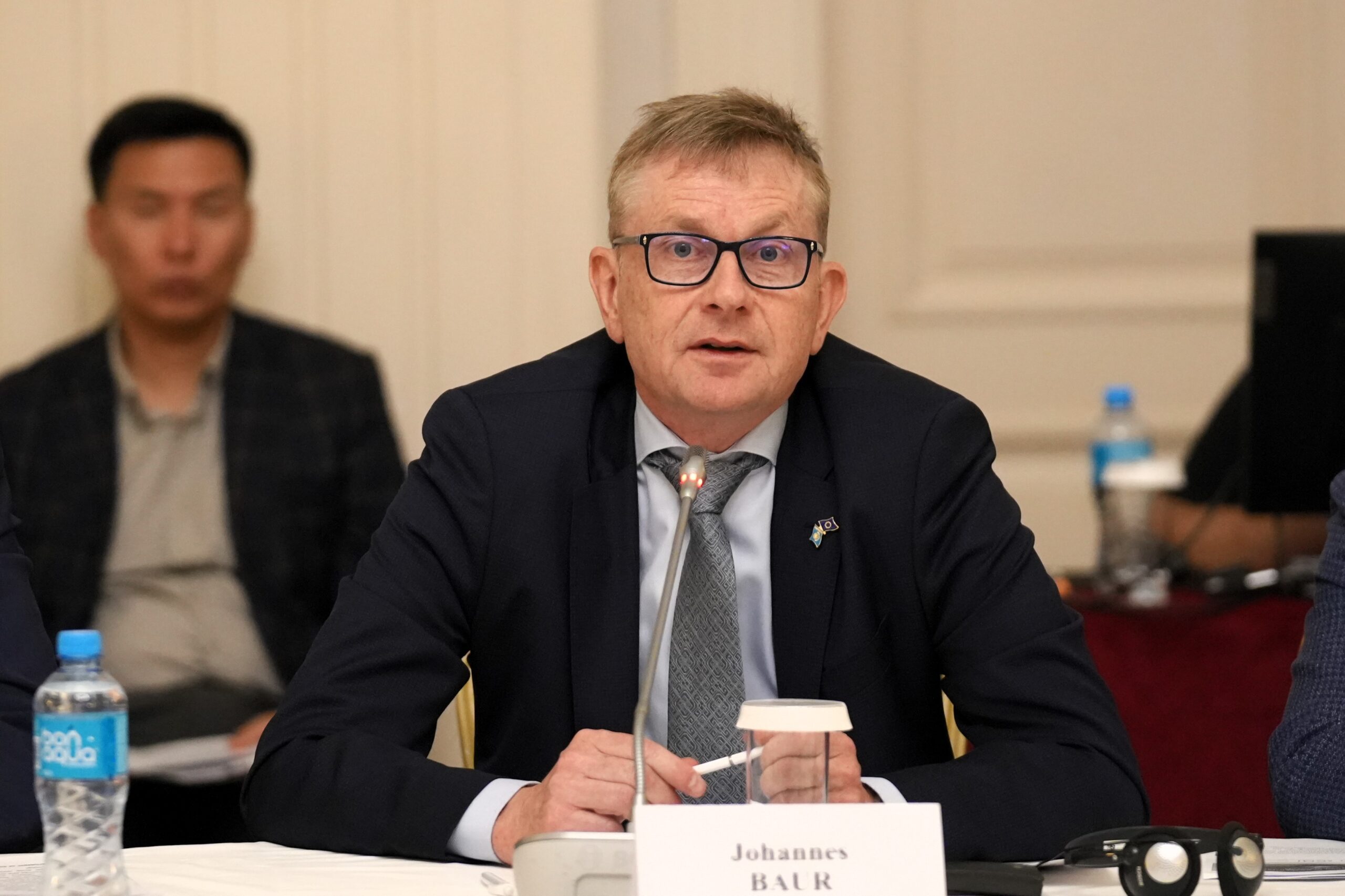
“The European Union supports Kazakhstan’s efforts and stands ready to assist in developing tools that will help exporters successfully adapt to new climate standards,” said Johannes Baur, Head of the Cooperation Section of the EU Delegation to Kazakhstan.
Following the meeting, the parties reaffirmed their readiness to continue joint efforts to integrate Kazakhstan into low-carbon supply chains and reduce the carbon footprint of production, strengthening the partnership on the principles of transparency, technological progress, and sustainable growth.