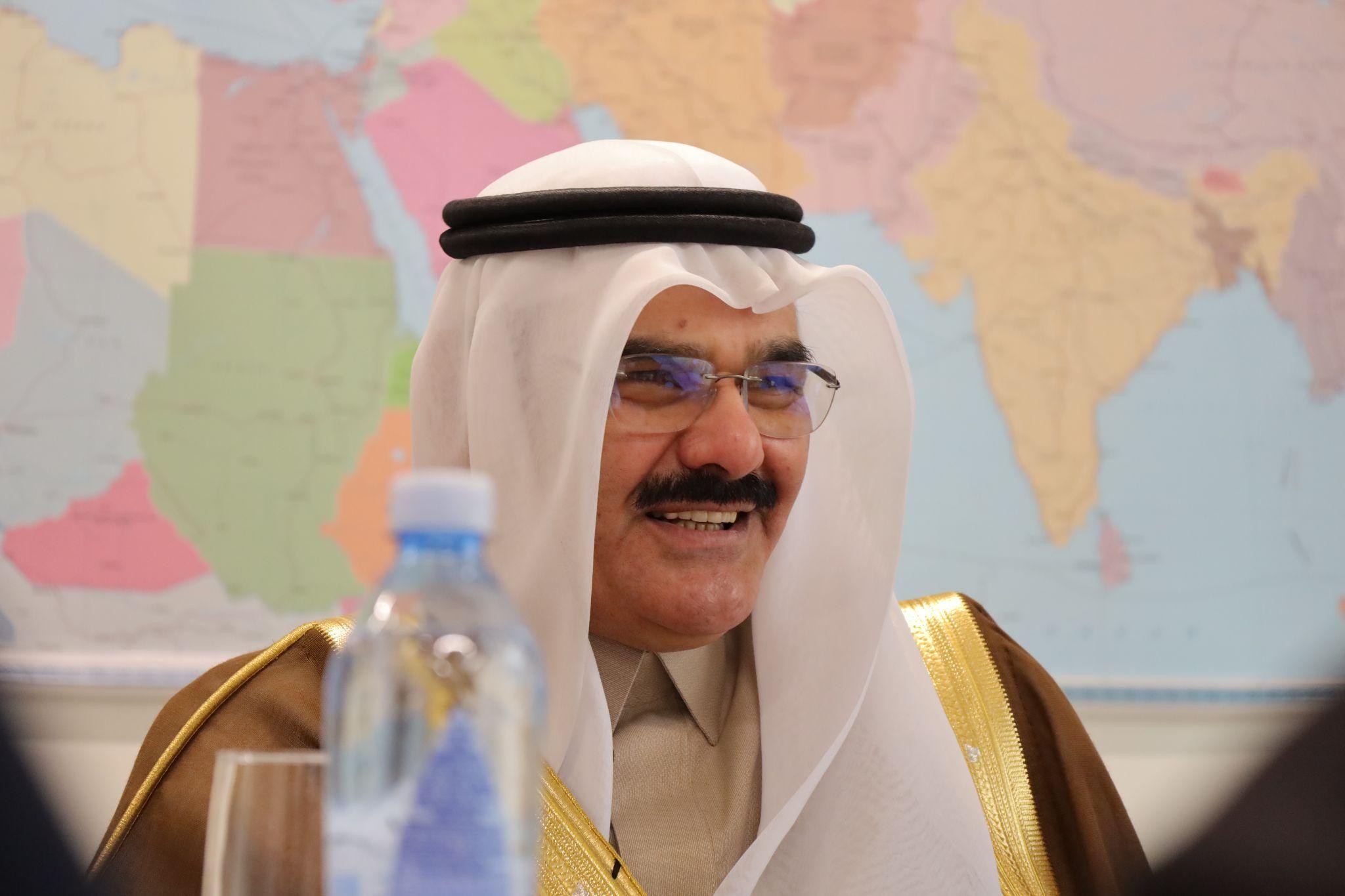
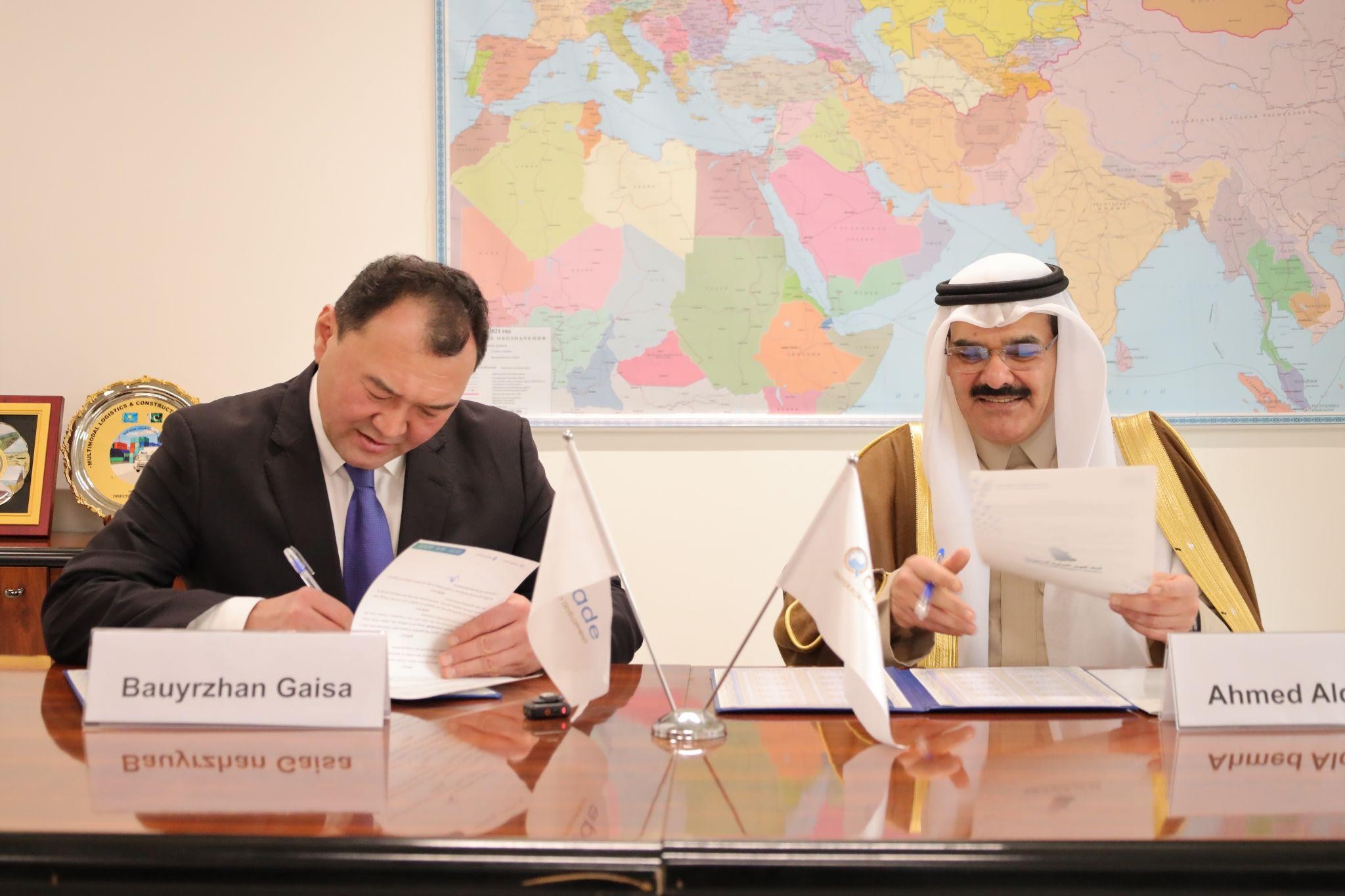
On February 2, 2026 in Astana, QazTrade Trade Policy Development Center JSC and the Federation of Saudi Chambers of Commerce signed a memorandum of cooperation. The document lays out a practical framework to make cross border business easier: sharing information on foreign trade rules, building B2B networks, and organizing exhibitions, forums, and meetings. It also allows for the opening of representative offices when needed.
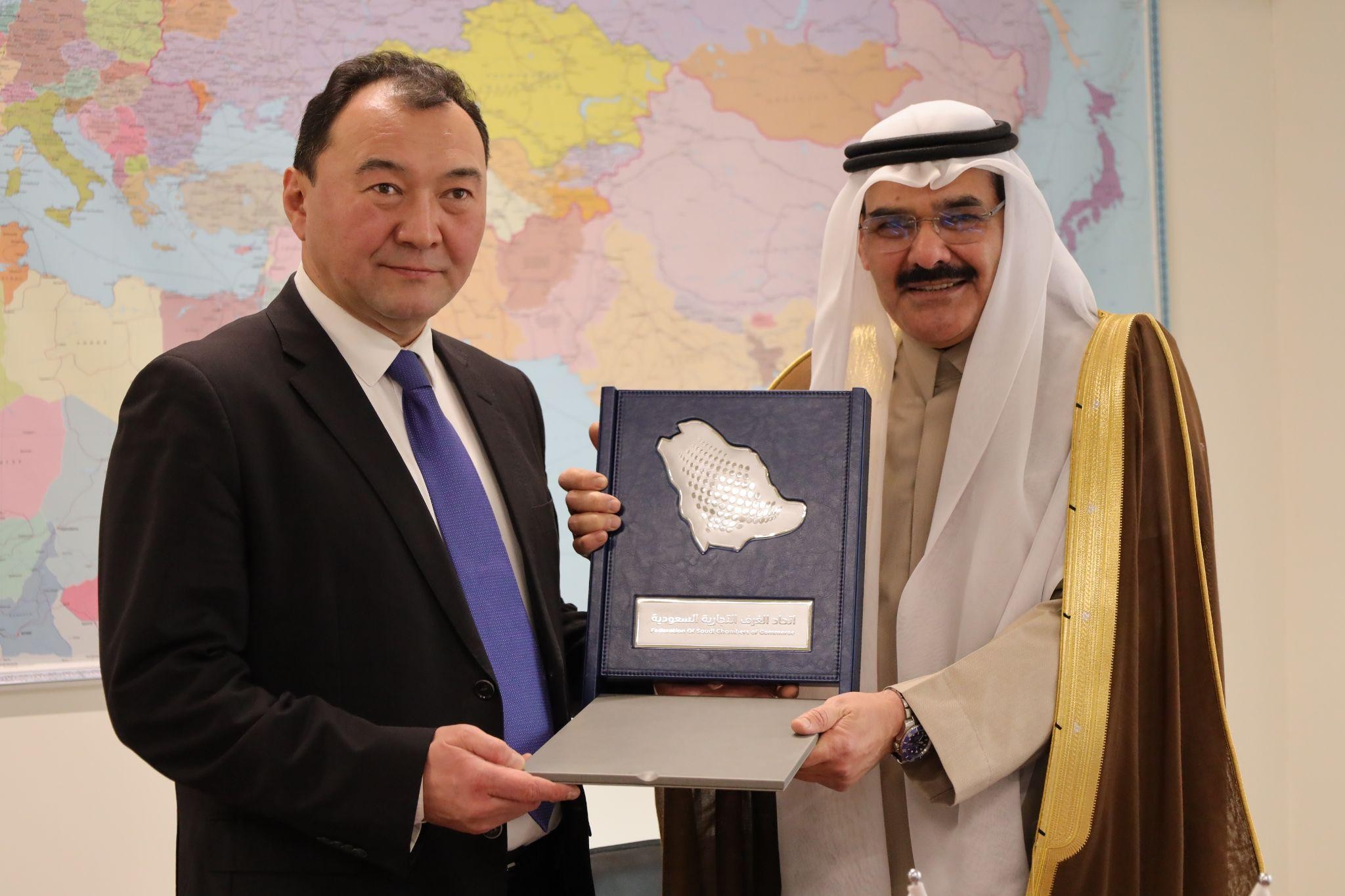
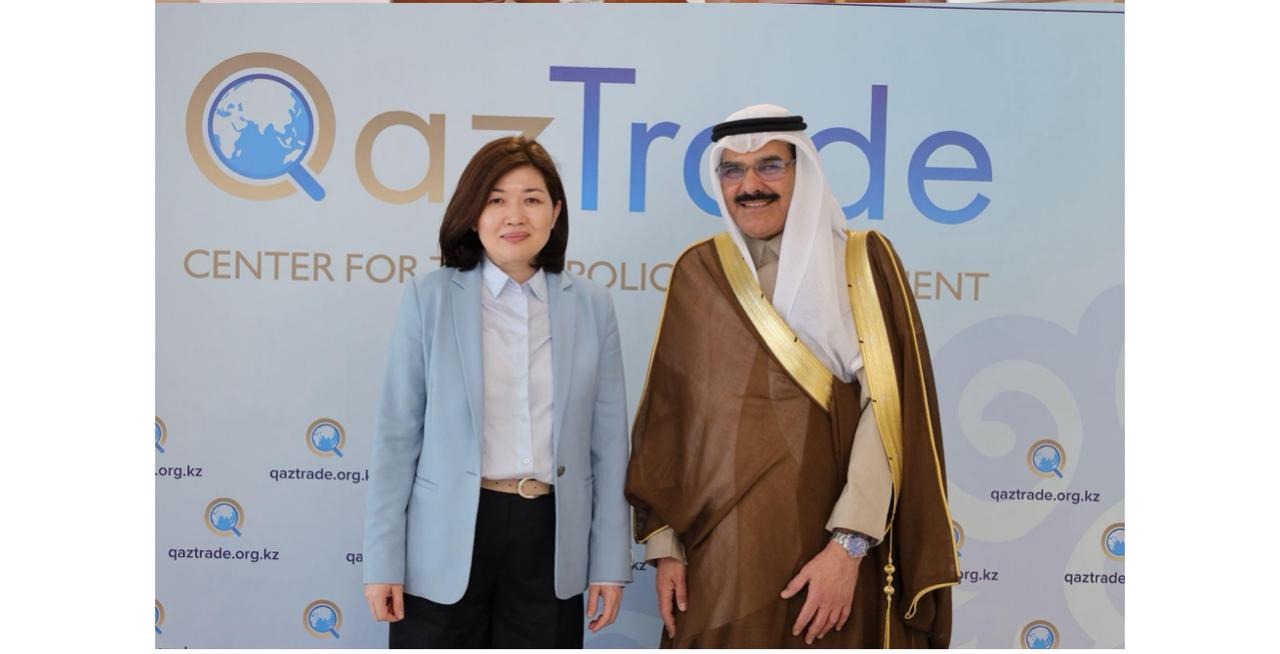
The Saudi side was represented by Ahmed Aldakheel, Chairman of the Saudi Business Council for Central Asia under the Federation of Saudi Chambers of Commerce. Kazakhstan was represented by QazTrade executives Bauyrzhan Gaisa, Deputy General Director; Ainur Amirbekova, Managing Director for Export Development; and Alimzhan Umarov, Chief Manager of the Export Acceleration and Training Group. Business was also present, including Karat LLP, as well as Shakhzada Shogelbayeva, head of a strategic branding agency.
Saudi Arabia’s appeal is driven by scale of consumption. Mecca and Medina receive around two million visitors each month. For suppliers, that volume translates into clear expectations: consistent quality, clean documentation, and delivery schedules that hold. Saudi representatives emphasized reliability of supply and the ability to deliver at scale. For Kazakhstan, the entry ticket is preparation. A company arrives with verified quality, packaging and labeling aligned with the market, a complete document set, and defined lead times. Once those basics are in place, discussions move quickly to pricing and commercial terms.
The memorandum matters because it turns one off contacts into routine work. It provides for regular communication, an events calendar, information exchange on regulation, and partner matchmaking. For businesses, that shortens the ramp up time and reduces the number of situations where each negotiation has to be rebuilt from scratch.
The most practical issues centered on market access and logistics. For food and pharmaceuticals, compliance with the Saudi Food and Drug Authority (SFDA) is the key gate. The parties discussed coordination on certification and preparing product lines to meet Saudi requirements. This is where deals often stall: a buyer is interested, but labeling, supporting certificates, and documentation are not ready. Logistics, particularly for perishables and meat, was the second pressure point. Transit via Dubai extends lead times and adds cargo constraints when shipments depend on passenger flights. Direct routes between Riyadh and Almaty, options via Jeddah, and connections through Astana were discussed as practical measures that affect freshness and final cost.
Market presence was another theme. A trade representation in Riyadh and exhibitions in Saudi Arabia’s major cities would make it easier to reach buyers and reduce friction in supplier verification. A clear product range, complete paperwork, and a local point of contact lower perceived risk for procurement teams.
Taken together, the sequence is straightforward. The memorandum sets the cooperation framework. Events create deal flow. SFDA defines the rules of entry. Logistics determines speed for perishable categories. Large producers meet the market’s volume expectations. Shakhzada Shogelbayeva put it succinctly: Kazakhstan is a country of strong brands, and its potential shows when the system can handle export scale. In that sense, the meeting and the memorandum align with Kazakhstan’s national focus on economic diversification and growing non commodity exports as a priority for trade policy.